Month Zero: The Portfolio That Took Two Years to Build
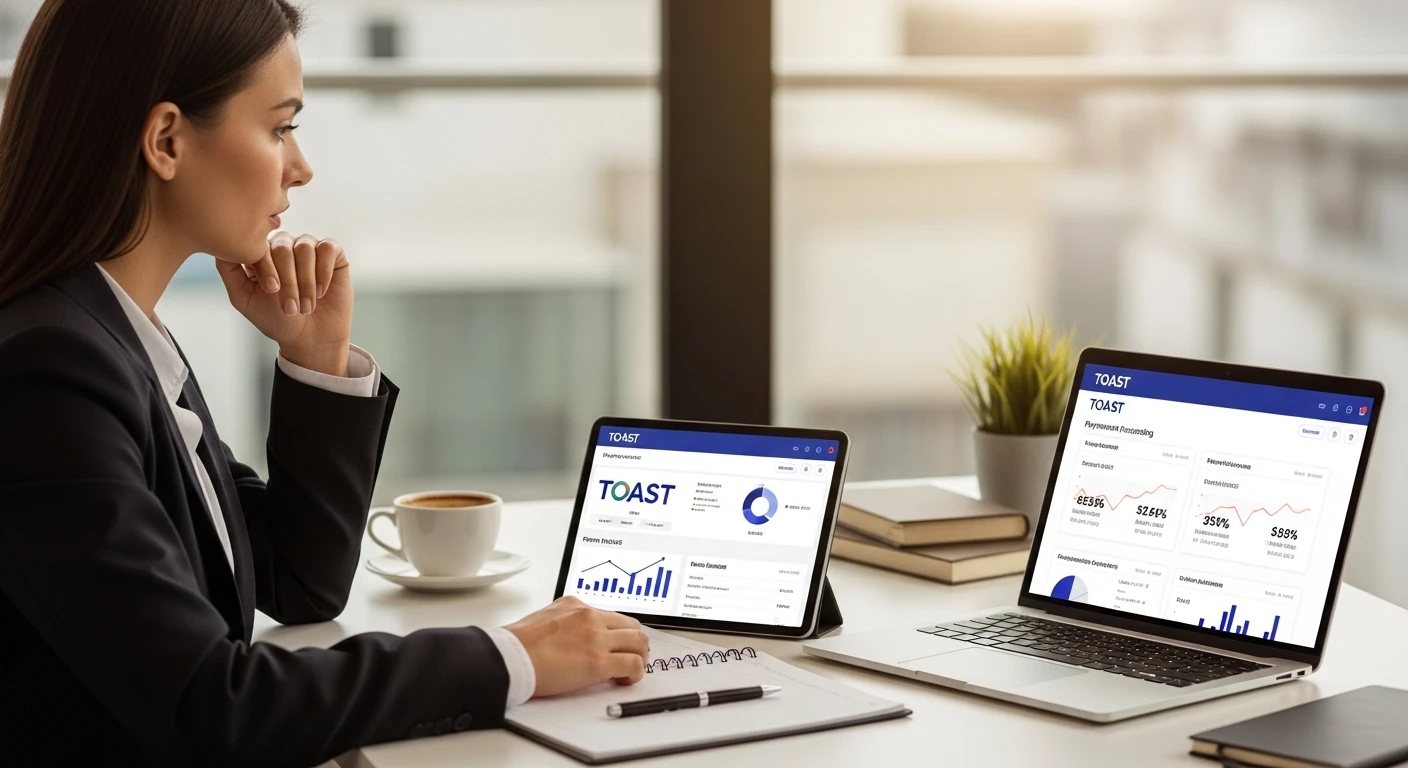
For business owners evaluating Toast Took My Processing Revenue, the details matter more than the marketing. Mike did not get into payment processing to get rich overnight. He understood the game. You pound the pavement, you board merchants one at a time, you negotiate competitive rates, you earn their trust, and month after month, the residuals compound. The whole model is built on patience.
By the end of his second year, Mike had assembled a portfolio of 35 restaurant merchants across the greater Phoenix area. Taquerias, sushi spots, family Italian joints, a couple of fast-casual chains with two or three locations each. He had personally walked into every one of those kitchens, sat down with every owner, and built a relationship. He knew their names, their kids' names, their busiest nights, their pain points.
His monthly residual check had climbed to $4,500. Not life-changing money on its own, but the trajectory was clear. At the rate he was growing, he would hit $8,000 in monthly residuals within another 18 months. He was planning to hire a junior agent. He had a spreadsheet forecasting his income out to 2028.
Those 35 merchants processed an average of $38,000 per month in card volume each. Mike was earning roughly 0.34% on that volume as his blended residual. He had fought hard for that margin. He had placed every terminal, negotiated every interchange-plus deal, and handled every chargeback dispute. The processing relationship was his.
Or so he thought.
How Toast Dismantled a Two-Year Portfolio in Eight Months
It started with a phone call from one of his best merchants — a ramen restaurant doing $52,000 a month in volume.
"Hey Mike, I had a guy from Toast come in today. They're offering me a free POS system. Free terminals, free kitchen display, free online ordering setup. Sounds too good to be true, right?"
Mike told him it was. He explained that Toast recoups the hardware cost through processing fees — 2.99% + 15 cents per transaction, with no negotiation. He showed the owner the math: on $52,000 in monthly volume, Toast's rate would cost roughly $1,555 in processing fees compared to the $1,196 the owner was currently paying on Mike's interchange-plus deal at around 2.30% effective. That is $359 extra per month — $4,308 per year — for "free" hardware worth maybe $3,000.
The owner thanked Mike. He said he would stick with the current setup.
Three weeks later, Mike's residual report showed that merchant had boarded with Toast.
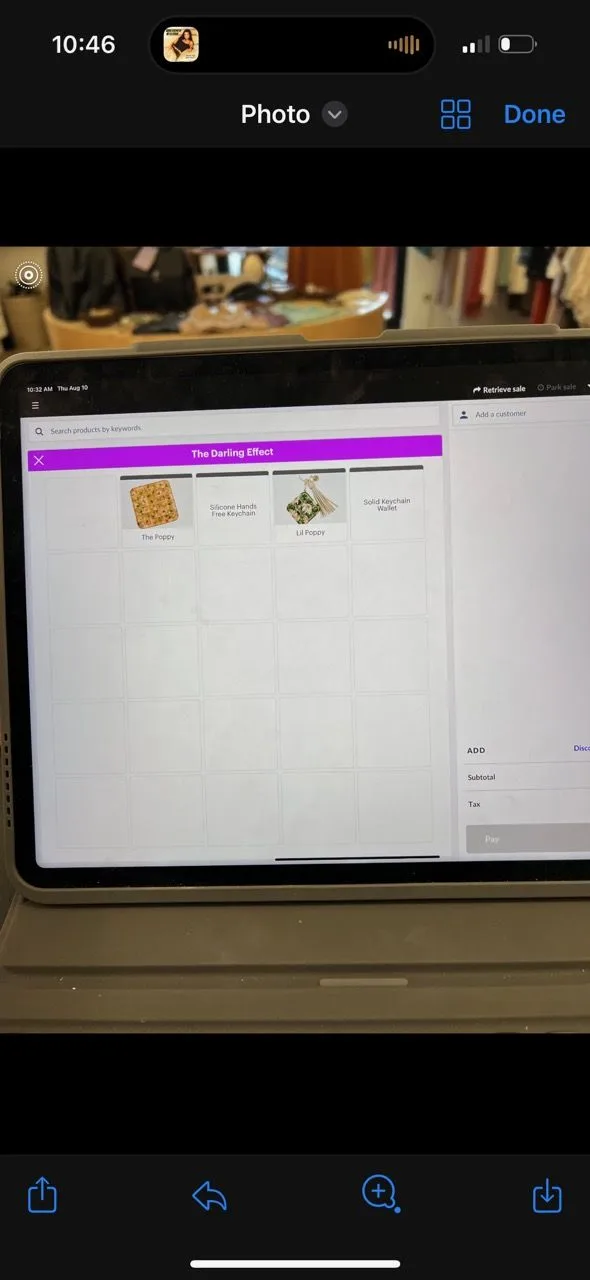
Every terminal in a restaurant represents a relationship a payment agent built from scratch.
That was the first domino. Here is the timeline of what happened next:
2 merchants switch to Toast. Both were visited by the same Toast sales rep. Both received the "free hardware" pitch. Mike was not informed until the residual drop showed up in his next statement.
3 more merchants switch. One of them tells Mike that the Toast rep specifically said, "Your current processor can't offer you a POS this advanced." The merchant did not realize Mike was not a processor — he was an independent agent. Toast blurred the line deliberately.
6 merchants gone. Mike discovers that Toast reps have been visiting his merchants during lunch rushes — when the owner is too busy to call Mike for a second opinion. By the time the owner has a quiet moment, the Toast contract is already signed.
13 merchants gone. Mike's residuals have dropped to $2,800/month. He tries to win merchants back, but Toast's proprietary hardware creates a switching cost. The merchants already invested time in learning the new system, re-entering their menus, and training staff. Switching back means starting over.
18 merchants gone. Residuals: $1,900/month. Mike has lost more than half his restaurant portfolio. His income has been cut by 58%. The merchants who switched are now paying more for processing than they were before, and Mike cannot do anything about it because Toast owns both the POS and the processing relationship. There is no separating the two.
warning The Damage by the Numbers
| Metric | Before Toast | After Toast | Impact |
|---|---|---|---|
| Restaurant merchants | 35 | 17 | -18 merchants |
| Monthly residual income | $4,500 | $1,900 | -$2,600/mo |
| Annual income lost | — | -$31,200/year | |
| Processing volume lost | $1.33M/mo | $646K/mo | -$684K/mo |
| Leverage to win merchants back | — | — | Zero |
Two years of work. Hundreds of hours of in-person visits, phone calls, troubleshooting, and relationship building. Gone. Not because Mike did anything wrong. Not because his rates were bad. Not because his merchants were unhappy. Gone because a POS company decided that the agent's processing revenue looked better on their balance sheet.
This Is Not a Bug. It Is Toast's Business Model.
If you think Mike's story is an isolated incident, you have not been paying attention to Toast's financial filings.
Toast is a publicly traded company (NYSE: TOST). Their financials are public. And they tell a very clear story about where Toast's revenue comes from and why the independent agent model is fundamentally incompatible with Toast's survival.
Processing Revenue Is Toast's Oxygen
Payment processing represents over 70% of Toast's total revenue. Not software subscriptions. Not hardware sales. Processing. Toast's entire business depends on capturing and holding the payment processing relationship for every single merchant on their platform. If merchants were free to choose their own processor, Toast's revenue model collapses.
This is not a side effect. It is the architecture. Toast was designed from day one to bundle processing with the POS. The "free hardware" offer is not generosity — it is customer acquisition cost, subsidized by years of above-market processing fees that the merchant pays after signing up.
Toast's "Partner Program" Is a Lead Generation Funnel
Toast does have a partner program. They will happily tell you about it. What they will not tell you upfront is how it actually works in practice:
- You bring the merchant. You use your relationships, your reputation, and your hustle to get a restaurant owner to take a meeting with Toast.
- Toast takes the processing. The merchant boards on Toast's proprietary processing at 2.99% + $0.15. You do not get to place your own processing. Period.
- Toast owns the relationship. After the initial sale, Toast's account management team contacts the merchant directly. You are sidelined. Your ongoing value to the merchant approaches zero because you have no control over the processing, the hardware, or the software.
- You earn a small referral fee. Maybe $20 to $50 per merchant per month, depending on the arrangement. Compare that to the $130+ per month Mike was earning per merchant in processing residuals.
In short: Toast's partner program lets you do the hard work of finding and selling restaurants, then takes the valuable, long-term revenue stream for itself. You are not a partner. You are a lead source with a fancy title.
Proprietary Hardware Creates a Prison
Even when a merchant realizes they are overpaying on processing with Toast, leaving is painful. Toast runs on proprietary hardware. The terminals, kitchen display screens, and handheld devices are Toast-specific. They do not work with any other POS platform.
If a merchant wants to switch away from Toast, they need to:
- Abandon hardware they may have paid thousands for (or buy out a financing agreement)
- Purchase entirely new terminals and equipment
- Re-enter their entire menu, modifiers, and configuration
- Retrain their entire staff
- Switch their online ordering, often losing accumulated customer data
The switching cost is brutal. And Toast knows it. The higher the switching cost, the longer the merchant stays, and the more processing revenue Toast extracts. For the agent who lost that merchant, the lock-in means they are not coming back. The relationship is gone permanently.
The Rate Problem: Merchants Pay More, Agents Earn Nothing
Here is what makes it particularly painful. Toast's processing rate of 2.99% + $0.15 is not competitive. It is 20% to 30% higher than what a competent independent agent can offer through interchange-plus pricing.
For a restaurant doing $40,000 per month in card volume:
| Scenario | Effective Rate | Monthly Processing Cost |
|---|---|---|
| Toast bundled processing | ~3.10% (with per-txn fee) | $1,240 |
| Independent agent (interchange-plus) | ~2.30% | $920 |
| Merchant savings with independent agent | $320/month ($3,840/year) |
The merchant pays more with Toast. The agent earns nothing with Toast. The only winner is Toast. This is not a partnership. It is extraction.
What If the POS Vendor Did Not Want Your Processing Revenue?
Here is where the story changes. Because Mike's story does not have to be your story.
After losing 18 merchants, Mike started looking for a POS platform he could sell that would not cannibalize his processing relationships. He needed three things:
- A POS system good enough to compete with Toast on features
- A platform that does not require bundled processing
- A vendor that would never contact his merchants about processing
He found KwickOS.
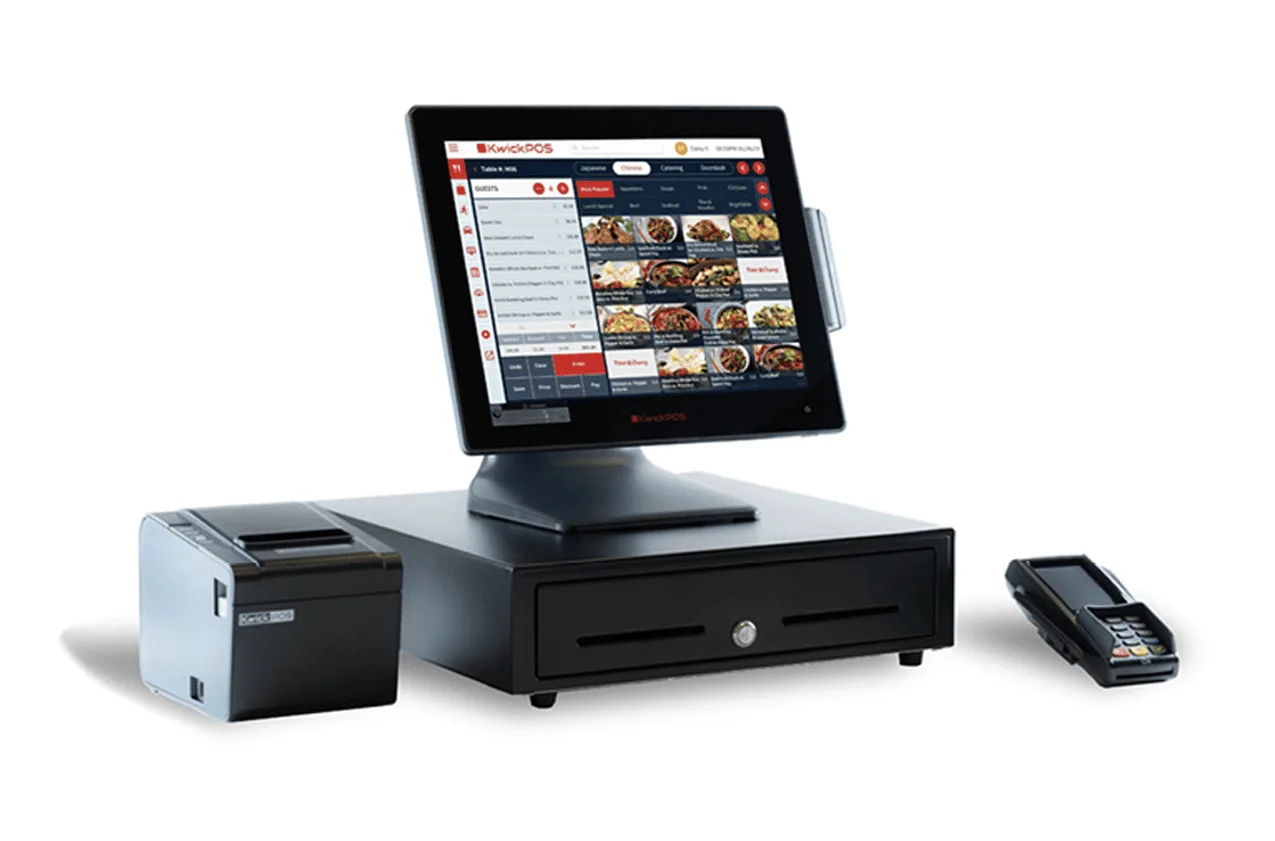
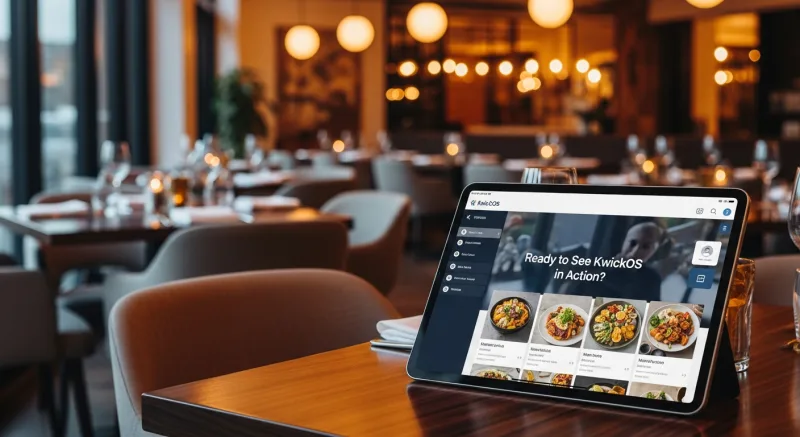
KwickOS delivers a complete restaurant operating system. The processing relationship stays with the agent.
KwickOS Makes Money on Software. Not on Your Processing.
This is the fundamental difference, and it changes everything about the agent-vendor relationship.
KwickOS is a software company. Their revenue comes from monthly software subscriptions — POS, kitchen display, online ordering, digital signage, staff scheduling, CRM, loyalty, and more. They have over 5,000 active merchants across restaurants, retail, and beauty/spa businesses. Their model works because the software is genuinely valuable, not because they are skimming an extra 70 basis points off every card swipe.
When you sell KwickOS to a merchant, here is what happens with processing: nothing. KwickOS does not touch it. The merchant uses whatever processor you place. You negotiate the rate. You earn the residual. You own the relationship. KwickOS will never call your merchant to pitch them on switching processors. It is not their business. Literally.
verified The KwickOS Agent Model
- You sell KwickOS software — the merchant gets a modern, full-featured restaurant operating system
- You place your own processing — interchange-plus, flat rate, whatever you negotiate. It is your deal.
- You earn full processing residuals — no sharing, no caps, no "partner fee" deductions
- You earn software referral income — recurring commission on the KwickOS subscription
- KwickOS never contacts your merchant about processing — that boundary is written into the partner agreement
- Merchant can switch processors without switching POS — if you need to move a merchant to a different processor, you can. The POS stays. The relationship stays. Your income stays.
Read that last point again. If a merchant needs to switch processors — maybe you moved to a new ISO, maybe there is a better rate available, maybe the merchant's volume changed — you move the processing and the POS does not change. The merchant does not lose their menu, their settings, their staff logins, their online ordering, or their reporting history. They just get a new merchant ID in the payment gateway. Done.
With Toast, switching processors means switching the entire POS. With KwickOS, it means a 10-minute configuration change. That difference is worth tens of thousands of dollars in preserved residual income over the life of your portfolio.
The Income Comparison That Should Keep Toast Partners Awake at Night
Numbers do not lie. Let us compare two agents — same effort, same number of merchants, same market. The only difference is the POS they sell.
Agent A: Selling Toast
| Metric | Value |
|---|---|
| Merchants boarded | 50 restaurants |
| Average monthly volume per merchant | $35,000 |
| Processing residual to agent | $0 (Toast owns processing) |
| Toast referral/partner fee | ~$20/merchant/month |
| Total monthly income | $1,000/month |
Agent B: Selling KwickOS + Own Processing
| Metric | Value |
|---|---|
| Merchants boarded | 50 restaurants |
| Average monthly volume per merchant | $35,000 |
| Processing residual (0.15% avg on volume) | $52.50/merchant = $2,625/month |
| KwickOS software referral commission | ~$30/merchant/month = $1,500/month |
| Total monthly income | $4,125/month |
Toast Agent: $1,000/month
- No processing ownership
- No control over merchant relationship
- Toast can change referral terms anytime
- Merchant locked to Toast hardware
- Portfolio value at exit: minimal
KwickOS Agent: $4,125/month
- Full processing residual ownership
- Direct merchant relationship preserved
- Processing portable across ISOs
- Merchant on open hardware standard
- Portfolio value at exit: sellable asset
That is 4x more monthly income selling the same number of merchants. Over a year, Agent B earns $49,500 while Agent A earns $12,000. Over three years, the gap is $148,500 vs. $36,000 — a difference of $112,500 in cumulative income.
And here is the detail that most agents overlook: portfolio resale value. A processing portfolio with $2,625 in monthly residuals is a sellable asset. At a standard 36x multiple, that portfolio is worth approximately $94,500 on the open market. Agent A's Toast referral income? It is not a portfolio. It is not sellable. It is a line item on someone else's balance sheet that can be changed or cancelled at any time.
Your Merchants Are Better Off Too — And That Matters
Some agents might read this and think it is only about the agent's income. It is not. The KwickOS model is better for the merchant in every measurable way.
When you pair KwickOS with your own competitive processing, the merchant gets:
- Lower processing rates. Interchange-plus at 2.30% vs. Toast's 2.99% + $0.15. On $40,000 in monthly volume, that is a savings of roughly $276 to $320 per month — over $3,300 per year going back into the restaurant's pocket.
- Better technology. KwickOS includes POS, kitchen display, online ordering, digital signage (KwickSign), AI phone answering (KwickPhone), automated food photography (KwickPhoto), and delivery tracking (KwickTracker) — modules that Toast either does not offer or charges extra for.
- No hardware lock-in. KwickOS runs on standard Android-based hardware. If the merchant ever wants to change POS platforms (though with a system this good, they will not want to), their hardware works with other systems. No wasted investment.
- A local advocate. Because you — the agent — maintain the processing relationship, the merchant has a local person who is financially motivated to keep them happy. You answer the phone. You visit the restaurant. You solve problems. With Toast, they get a 1-800 number and a support ticket queue.
When you pitch KwickOS to a restaurant owner, you are not just pitching software. You are pitching a better deal on every dimension: better rates, better technology, better support, and the freedom to change anything without tearing the whole system down.
That is a pitch that wins. And it is a pitch that keeps winning because the merchant stays happier longer, which means lower attrition, which means your portfolio compounds instead of eroding.
The Attrition Problem Toast Agents Never See Coming
Here is something Toast's partner recruitment materials will never mention: attrition in the Toast model works against you twice.
When a merchant on Toast becomes unhappy with their processing rates — and eventually many do, because 2.99% is not competitive — they cannot just switch processors. They have to switch everything. The POS, the hardware, the online ordering, the whole stack. That is a massive disruption to a busy restaurant.
So what happens? Two things:
- The merchant stays and resents it. They are trapped by switching costs. They pay the higher rates but become a negative reference in the community. When other restaurant owners ask about Toast, they hear "the rates are brutal and you can't leave." That makes your next sale harder.
- The merchant eventually leaves anyway. They get fed up enough to eat the switching cost. They rip out Toast, install something else, and you — the original Toast agent who referred them — get nothing. No residual from Toast (the merchant left the platform). No residual from the new processor (you did not place it). Zero.
With KwickOS, attrition looks completely different. If a merchant is unhappy with their processing rate, you — their agent — simply move them to a new processor with a better rate. The KwickOS system stays in place. The merchant is happy because their rate went down and nothing else changed. You keep the processing relationship because you facilitated the move. Your residual might adjust slightly on the new deal, but you still have the merchant. You still have the income. You still have the relationship.
This is the difference between a brittle portfolio and a resilient one. Toast agents build brittle portfolios that shatter when merchants get restless. KwickOS agents build resilient portfolios that bend but do not break.
The Question Every Payment Agent Needs to Answer
If you have read this far, you already know the answer. But let us make it explicit.
Does your POS vendor compete with you for processing revenue?
If the answer is yes, they are not your partner. They are your competitor wearing a partner badge. Every merchant you bring them is a merchant whose processing revenue you are handing over. Every deal you close is a deal that enriches their balance sheet at the expense of yours. You are doing the hardest part of the job — finding and selling the merchant — and giving away the most valuable part of the outcome.
Mike learned this the hard way. He lost 18 merchants, $31,200 in annual income, and two years of relationship-building because he placed merchants on a platform that was designed to take his processing revenue from day one.
You do not have to make the same mistake.
handshake What a Real POS Partnership Looks Like
KwickOS was built for agents, ISOs, and resellers who understand that processing revenue is the engine of their business. Here is the commitment:
- We will never take your processing. KwickOS earns software fees. Processing is your business, not ours.
- We will never contact your merchants about processing. Your merchants are your merchants. We handle software support. You handle the financial relationship.
- We will never lock your merchants into proprietary hardware. KwickOS runs on standard, open hardware. Your merchants can switch POS platforms without losing their equipment investment — though they will not want to.
- We will help you sell more. Full demo support, co-branded materials, training, and a dedicated partner manager. We succeed when you succeed.
Mike is rebuilding now. His remaining 17 merchants are being migrated to KwickOS with his own processing in place. He is protecting the residual income he still has and ensuring that no POS vendor can ever raid his portfolio again. He is also boarding new merchants — and this time, the POS and the processing work together instead of against each other.
His projected income in 12 months: $6,200 per month in combined processing residuals and KwickOS software commissions. Higher than his pre-Toast peak. With a portfolio he actually owns.
If you are a payment agent, ISO, or reseller placing restaurants on Toast — or any POS that bundles processing — stop and ask yourself: who is really building a business here? If the answer is not you, it is time to change the equation.
Your processing revenue is your livelihood. Your merchant relationships are your most valuable asset. Do not hand either one to a POS company that will use them to build their empire while dismantling yours.
Apply to the KwickOS Partner Program
Keep 100% of your processing revenue. Earn software commissions. Build a portfolio you own.