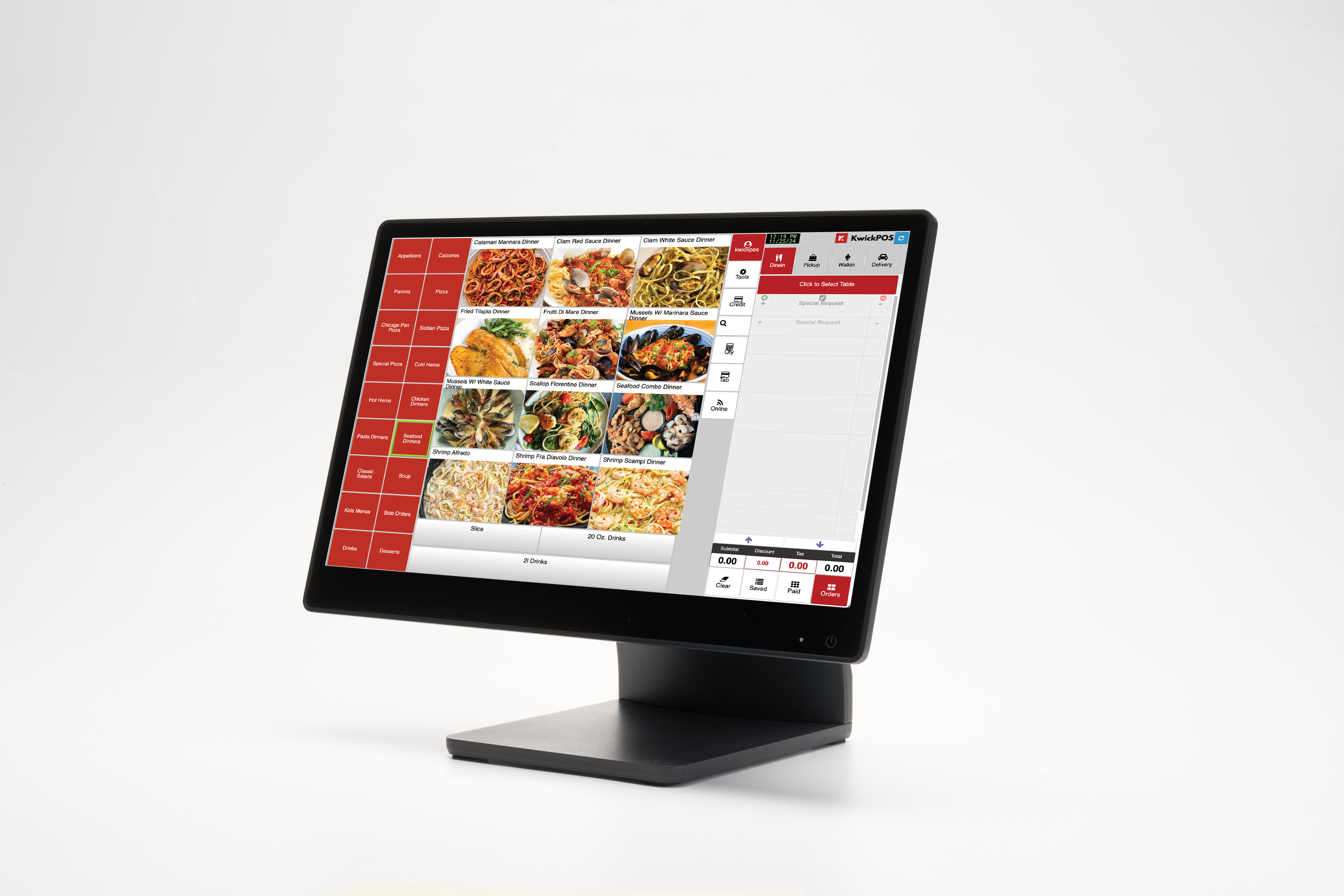
Soup base selection, individual and shared pot management, per-item billing, all-you-can-eat timers, ingredient freshness tracking, and table-mounted ordering. From Haidilao to your neighborhood hot pot spot, KwickOS is the platform built for how hot pot restaurants actually operate.
Continuous ordering, individual pot management, raw ingredient tracking, and timed sessions. Generic POS systems were not designed for this.
Every hot pot meal starts with a soup base selection — spicy, herbal, tomato, mushroom, or a split pot combination. Some bases are premium priced. When your POS treats the base as just another menu item instead of a required table-level selection, servers have to manually attach it to the order, bases get forgotten on tickets, and customers get charged incorrectly. A hot pot POS needs base selection as a fundamental part of opening a table.
Many hot pot restaurants offer all-you-can-eat with 90 or 120-minute sessions. Without table timers in your POS, staff manually tracks when each party started. On a busy Saturday with 40 tables, that is impossible. Tables overstay by 20 to 30 minutes each, you cannot seat the next party, and you lose revenue on every session you fail to charge for overtime. The bigger issue: you cannot prove to the customer that their time is up.
Hot pot dining involves continuous ordering over 90 to 120 minutes. A table might place 8 to 12 separate orders throughout the meal — meat platters, vegetable assortments, noodles, dumplings, drinks. If your POS does not cleanly aggregate these into a single itemized bill, checkout becomes a ten-minute ordeal of "did we order that?" and "how many plates of lamb did we get?" KwickOS consolidates every round into one clear, itemized bill.
Hot pot restaurants serve raw meat, seafood, and vegetables that customers cook at the table. Ingredient freshness is not just a quality issue — it is a food safety issue. Sliced beef that has been sitting in the prep area for too long, or shrimp that arrived yesterday but was not logged, creates liability. Without freshness tracking in your inventory system, you are relying entirely on kitchen staff memory and visual inspection.
From soup base management to per-item billing to ingredient freshness. Built specifically for how hot pot restaurants operate.
Soup base selection is the first required step when opening a table. Single base options (spicy Sichuan, herbal, tomato, mushroom, clear broth) or split pot combinations with independent pricing. The base selection ties to the table for the entire session. Mid-meal base additions are handled as add-on charges. No more forgotten base charges or billing confusion.
Required Table SelectionSupport both shared pot (one large pot for the table) and individual pot (each guest gets their own pot with their chosen base). Individual pot billing ties each guest's base selection and per-person charge to their seat position. When it is time to split the check, the system knows exactly who ordered what base and what items.
Seat-Level TrackingEvery item ordered across 8 to 12 ordering rounds aggregates into one clean, itemized bill. Customers see exactly what they ordered: 2 plates of sliced beef, 1 seafood combo, 3 vegetable plates, 4 drinks. No duplicates, no confusion. Split bill by item, by seat, by equal share, or any combination. Checkout takes 30 seconds instead of 10 minutes.
Multi-Round AggregationSet 90 or 120-minute all-you-can-eat sessions per table. Countdown timer displays on the table-mounted tablet. Automatic 15-minute warning alerts. When time expires, ordering locks unless the table chooses to extend at the overtime rate. No disputes about when the session started. The timer is visible to both staff and guests.
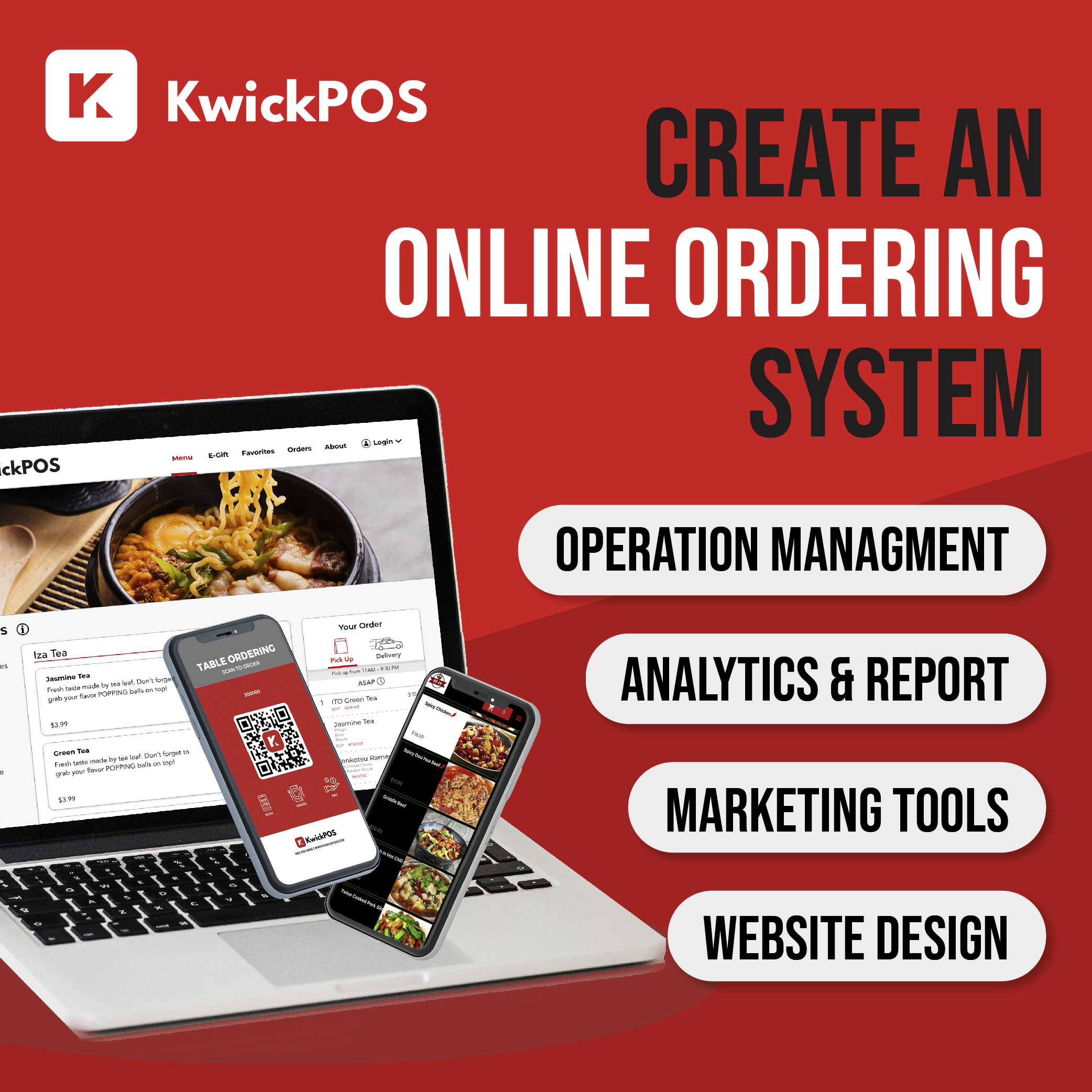
Visible CountdownKwickOS runs on any device with a browser. Mount tablets at each table for continuous self-ordering. Customers browse meat, seafood, vegetables, and noodle options with photos, add items, and submit. Orders route to the kitchen display instantly. This is essential for hot pot because customers order continuously — removing the server bottleneck eliminates the 5-minute wait between each round of items.
Continuous Self-OrderTrack ingredient batches with receiving dates and freshness windows. Sliced beef: 24-hour window. Fresh vegetables: 48 hours. Frozen items: by expiration date. The system alerts kitchen staff when items approach their limit so you prioritize usage. For hot pot restaurants serving raw ingredients to customers, this is not just about quality — it is about food safety and liability protection.
Batch-Level TrackingCreate multiple all-you-can-eat pricing tiers. Basic tier includes standard meats and vegetables. Premium tier adds wagyu, seafood platter, and premium mushrooms. When a table selects their tier, the ordering interface only shows items included in that tier. Upgrade mid-meal by paying the difference. No confusion about what is included.
Tiered Menu AccessBiometric 1:N fingerprint matching for employee verification. In a high-volume hot pot restaurant where multiple staff handle tables, cash drawers, and inventory, fingerprint auth ensures every transaction is tied to a verified employee. Prevent buddy punching, unauthorized discounts, and time theft. A feature Toast and Square do not offer.
1:N Biometric MatchingReal businesses running KwickOS every day, from enterprise hot pot chains to family-owned neighborhood spots.
Haidilao is the most recognized hot pot brand on the planet, operating over 600 locations across China, the United States, Canada, the UK, Australia, Japan, Korea, and Southeast Asia. They chose KwickOS for its ability to handle extreme volume, support multilingual operations across international markets, and deliver enterprise-grade reliability. When every table is turning every two hours and the average check involves 10 rounds of ordering, the POS cannot be the bottleneck. KwickOS is not.
Shogun's customized station displays show each table's order at the chef's grill. The same per-table, per-station display logic that powers hibachi also powers hot pot. Each table's base selection, ordered items, and timer status display on the kitchen's prep station. New operators learn the system in under five minutes thanks to the intuitive browser-based interface.
Rockin' Rolls deployed 49 iPad self-ordering stations. Hot pot restaurants need the exact same setup: table-mounted tablets where customers continuously browse and order throughout the meal. The difference is volume per table — hot pot tables place far more orders per session than typical restaurants. KwickOS handles that continuous ordering flow without lag or order loss, even during peak hours.
The platform built for high-volume, continuous-ordering restaurant operations.
See what you get with KwickOS versus alternatives for hot pot operations.
Common questions from hot pot restaurant owners considering KwickOS.
Calculators and generators built for the restaurant industry. No sign-up required.
Join 5,000+ businesses already using KwickOS. Soup base management, AYCE timers, per-item billing, table-mounted ordering, and ingredient freshness tracking — everything your hot pot operation needs. Get a personalized demo in 15 minutes.