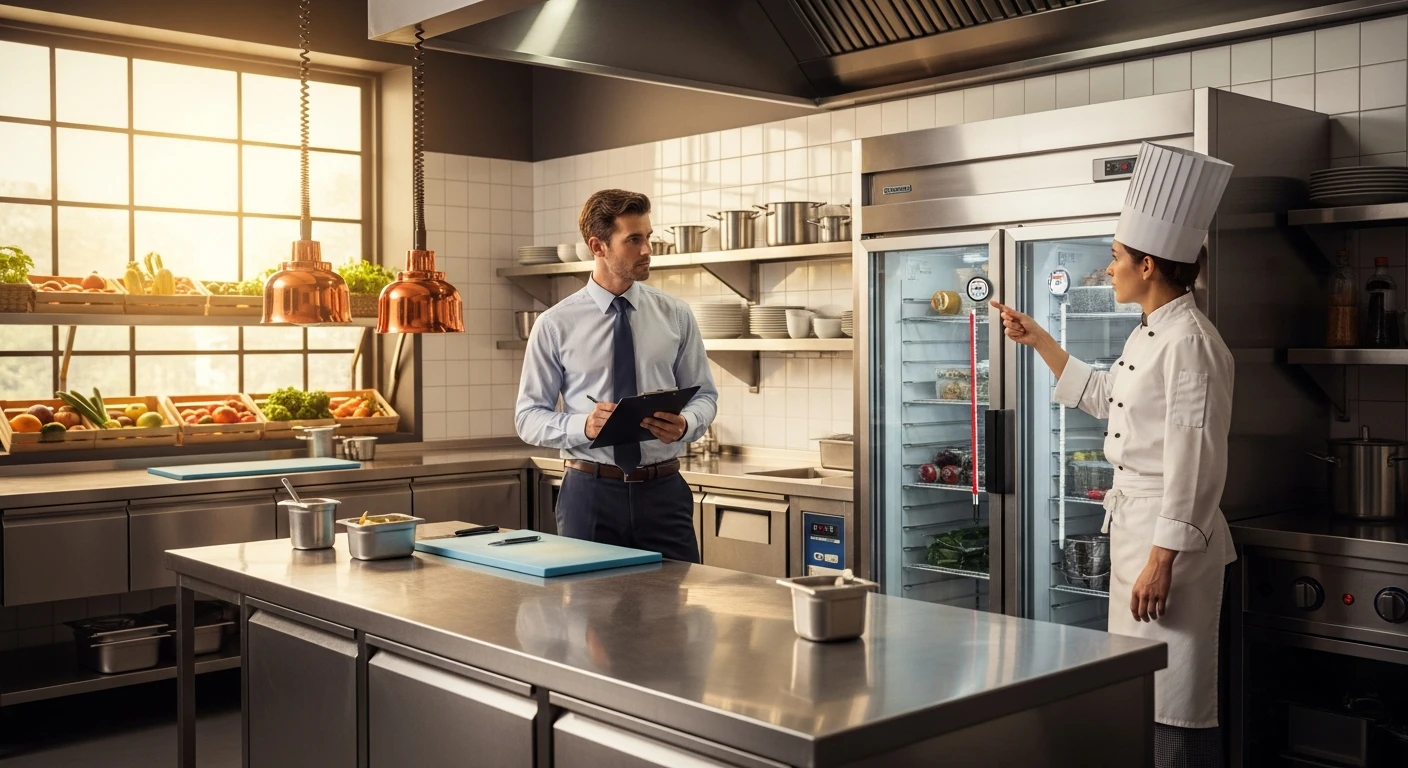
Every restaurant owner dreads the health inspector's knock. But an A rating isn't luck — it's systems. The restaurants that consistently score 95+ have one thing in common: they track everything digitally. They have temperature logs that don't have gaps. They have employee training records that are current. They have cleaning schedules with timestamps, not checkmarks on a clipboard that could have been filled in five minutes before the inspector arrived.
This guide gives you everything you need to pass your next health inspection with confidence. We will cover the five violations that cause most failures, walk through a complete area-by-area checklist, and show you how modern POS technology eliminates the manual tracking that lets things slip through the cracks.
Why Health Inspections Matter More Than You Think
A failed health inspection does not just result in a fine. In jurisdictions that post letter grades — New York City, Los Angeles, and a growing number of other cities — a B or C in the window can reduce foot traffic by 15-30%. A temporary closure order can cost $10,000-$50,000 in lost revenue, and the reputational damage on Google reviews and social media can linger for months.
On the other hand, restaurants that maintain consistent A ratings build a competitive advantage. Customers notice. Staff take pride in it. And the operational discipline required for food safety compliance tends to improve everything else: waste decreases, efficiency improves, and insurance costs drop.
The difference between restaurants that struggle with inspections and restaurants that pass effortlessly is almost never about food knowledge. It is about systems — specifically, whether critical safety tasks are tracked, verified, and documented automatically or left to memory and paper checklists.
The Big 5: FDA Food Code Violations That Cause Most Failures
The FDA Food Code identifies five major risk factors for foodborne illness. Health inspectors are trained to prioritize these above everything else. A single critical violation in any of these areas can drop your score significantly or trigger an immediate re-inspection. Know them cold.
1. Improper Holding Temperatures
This is the number one violation nationwide. Hot food must be held at 135°F or above. Cold food must be held at 41°F or below. The danger zone — between 41°F and 135°F — is where bacteria multiply rapidly, doubling every 20 minutes in some cases.
Inspectors will check holding temperatures with a calibrated thermometer. They will open your walk-in cooler, check your steam table, probe items on your prep line, and verify that your cold rail is doing its job. If a single item is out of range, you receive a critical violation.
The fix: temperature checks at minimum every two hours, logged with the time, item, temperature, and the employee who took the reading. Paper logs are acceptable but easy to falsify or forget. Digital temperature logging through your POS system creates time-stamped, tamper-resistant records that inspectors trust.
2. Inadequate Handwashing
Inspectors watch your staff. They observe whether employees wash hands when entering the kitchen, after touching raw protein, after handling trash, after touching their face or hair, and after using the restroom. A single observed handwashing failure is a critical violation.
Beyond behavior, they check infrastructure: handwashing sinks must be accessible (not blocked by equipment), stocked with soap and paper towels (not cloth towels), and have water at minimum 100°F. If your handwashing sink has been converted to a dump sink or is being used to thaw food, that is an immediate critical violation.
3. Cross-Contamination
Raw proteins stored above ready-to-eat foods in the cooler. The same cutting board used for raw chicken and salad vegetables. A prep cook who handles raw beef and then assembles a sandwich without washing hands or changing gloves. These cross-contamination scenarios are among the most dangerous violations because they create direct pathways for pathogens like Salmonella and E. coli to reach customers.
Proper storage order in coolers (top to bottom): ready-to-eat foods, then seafood, then whole cuts of beef and pork, then ground meats, then poultry at the bottom. Color-coded cutting boards and utensils for different protein types. Separate prep areas when possible.
4. Poor Employee Hygiene
This covers bare-hand contact with ready-to-eat food (gloves or utensils required), eating or drinking in prep areas, working while ill (especially with vomiting, diarrhea, or diagnosed with a reportable illness), improper hair restraints, and wearing jewelry in food prep areas. Your employee health policy must include procedures for reporting illness and excluding symptomatic employees from food handling.
5. Pest Evidence
Droppings, gnaw marks, nesting material, live or dead insects in food areas, grease buildup that attracts pests, gaps in exterior walls or doors that allow entry. A single mouse dropping in a food storage area is a critical violation. Inspectors will check behind equipment, under shelving, around dumpster areas, and in dry storage. Maintain a pest control contract with documented service visits.
Complete Health Inspection Checklist by Area
Use this checklist for daily and weekly self-inspections. Every item below is something a health inspector will evaluate. The restaurants that score highest conduct their own inspections using the same criteria.
Kitchen Prep Area (15 Items)
- All food contact surfaces clean and sanitized between uses
- Cutting boards in good condition (no deep grooves or cracks that harbor bacteria)
- Color-coded cutting boards used correctly (separate boards for raw poultry, raw meat, vegetables, ready-to-eat)
- Sanitizer buckets at correct concentration (chlorine: 50-100 ppm; quaternary ammonium: 200-400 ppm per manufacturer spec)
- Sanitizer test strips available and current (not expired)
- Thermometers available and calibrated (within +/- 2°F)
- Food stored at least 6 inches off the floor
- All food containers labeled and dated
- FIFO (first in, first out) rotation followed — oldest product in front
- No expired products on shelves or in coolers
- Handwashing sink accessible, stocked with soap and paper towels, warm water flowing
- No personal items (phones, drinks, bags) in food prep areas
- Employees wearing proper hair restraints, clean uniforms, no jewelry
- Gloves or utensils used for all ready-to-eat food contact
- Floors, walls, and ceiling in good repair — no peeling paint, broken tiles, or exposed insulation
Cold Storage (10 Items)
- Walk-in cooler temperature at or below 41°F — verified by thermometer (not just the unit display)
- Walk-in freezer temperature at or below 0°F
- All items labeled with product name and date received or prepped
- FIFO rotation followed — check that newer items are behind older items
- Proper storage order maintained (ready-to-eat on top, raw poultry on bottom)
- No food stored directly on the floor
- Door gaskets in good condition — sealing properly with no visible gaps
- No ice buildup on evaporator coils (indicates airflow or defrost problems)
- No cross-contamination risk — raw proteins not dripping onto other items
- Shelving clean and in good repair
Hot Holding (8 Items)
- All hot-held items at 135°F or above — checked with probe thermometer
- Steam table or hot holding unit functioning properly
- Food covered when not actively being served
- Clean, sanitized serving utensils with handles not touching food
- Hot food not used to reheat cold food (reheat to 165°F first, then hold at 135°F)
- Time as a control documented if used (4-hour or 6-hour window with written procedures)
- Temperature log completed every 2 hours during service
- Thermometers present and accurate in all hot holding units
Dishwashing Station (8 Items)
- Three-compartment sink procedure followed: wash, rinse, sanitize
- Sanitizer at correct concentration — tested with strips
- Water temperature correct (wash: minimum 110°F; rinse: clean water; sanitize: per chemical spec or 171°F for hot water sanitizing)
- Mechanical dishwasher reaching proper temperatures (wash: 150°F minimum; final rinse: 180°F for high-temp machines)
- Clean dishes stored inverted on clean, sanitized surfaces
- Air drying only — no towel drying of sanitized items
- Dishwashing area clean and free of food debris
- Chemical sanitizer data sheets posted and accessible
Restrooms (6 Items)
- Self-closing doors functioning properly
- Handwashing sink with hot and cold running water
- Soap and paper towel dispensers stocked
- Handwashing signage posted (required in most jurisdictions)
- Restrooms clean and in good repair — no leaking fixtures, broken tiles, or missing ventilation
- Trash receptacle available
Dining Area (8 Items)
- Self-service areas (salad bars, buffets, beverage stations) equipped with sneeze guards
- Condiment containers clean, covered, and not contaminated
- Single-service items (straws, napkins, utensils) dispensed in sanitary manner — not exposed to customer handling of multiple items
- High chairs and booster seats clean and sanitized
- Floors clean and in good repair — no tripping hazards
- No evidence of pests in dining area
- Adequate lighting for cleaning and inspection
- Allergen information available upon request (required in most states)
Documentation (10 Items)
- Current food service permit/license displayed
- Person in charge (PIC) present and able to demonstrate food safety knowledge
- Employee health policy on file — procedures for reporting illness and excluding sick employees
- Temperature logs current and complete — no gaps in the last 30 days
- Pest control service records on file (most recent 12 months)
- Equipment maintenance records available
- Employee food handler certifications current (ServSafe, state equivalents)
- HACCP plan on file if required (mandatory for certain processes like smoking, curing, or sprouting)
- Allergen matrix or ingredient lists available for all menu items
- Corrective action records from previous inspections addressed and documented
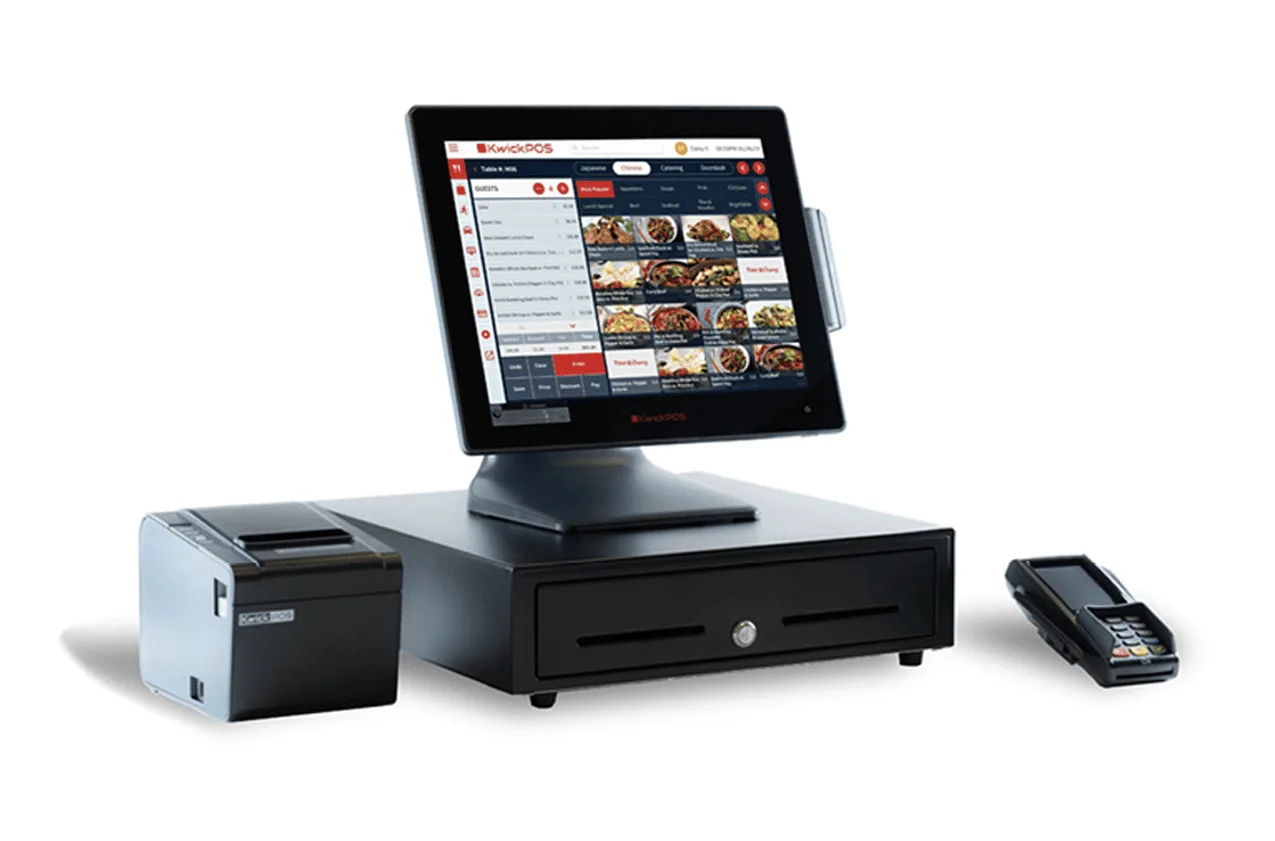
How POS Technology Helps Maintain Compliance
The checklist above is comprehensive — and that is exactly the problem. Keeping up with 65+ inspection items across multiple shifts, with different employees responsible for different tasks, using paper checklists and binders is where most restaurants fail. Not because they do not know the rules, but because the manual tracking system breaks down under the daily pressure of running service.
This is where modern POS technology transforms food safety compliance from a burden into a background process. Here is how each critical compliance area benefits from digital systems.
Temperature Logging
Paper temperature logs are the single most common documentation gap that inspectors flag. Staff forget to take readings during a rush. Logs get coffee-stained and illegible. Suspicious patterns — like every reading being exactly 38°F — undermine credibility even if the cooler was actually at temperature.
Digital temperature logging through KwickOS replaces this with time-stamped, employee-verified digital records. Staff complete temp checks on a tablet or POS terminal. The system enforces the schedule — it alerts the manager if a reading is missed. Out-of-range temperatures trigger immediate notifications so corrective action can be taken before product is compromised. When the inspector asks for your last 30 days of temperature records, you pull them up on screen in seconds: complete, legible, and credible.
FIFO Inventory Management
First in, first out is simple in theory and difficult in practice — especially in a busy walk-in cooler where the Tuesday delivery gets shoved in front of Monday's product because there is no time to reorganize during a lunch rush. Expired product found during an inspection is a critical violation.
The KwickOS inventory module tracks receiving dates for every item. When staff receive a delivery, they log it into the system with the date. The system flags items approaching expiration. Inventory reports show what needs to be used first. This digital FIFO tracking does not replace the physical practice of rotating stock, but it provides the visibility and alerts that prevent expired product from hiding in the back of the cooler.
Employee Training Records
Inspectors verify that your food handlers have current certifications. In most states, the person in charge must hold a certified food protection manager credential (ServSafe Manager or equivalent), and line employees need food handler cards. When certifications expire without renewal, you are out of compliance — and the inspector will check.
KwickOS employee management tracks certification dates for every team member. The system alerts managers 30 days before a certification expires, giving time to schedule renewal courses. When the inspector asks for documentation, you pull up the employee profile: name, position, certification type, date earned, expiration date. No digging through filing cabinets.
Allergen Tracking and Kitchen Display
Allergen management has become a major focus of health inspections in recent years. Inspectors increasingly ask to see your allergen communication procedures: how does your front-of-house staff identify allergen requests, and how does that information reach the kitchen?
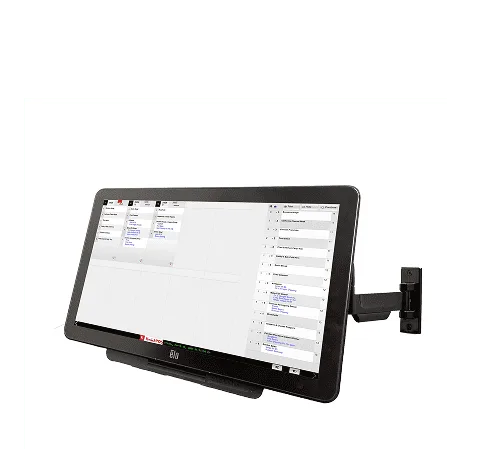
With KwickOS, when a server marks an allergen on an order — nut allergy, gluten-free, shellfish — the kitchen display system (KDS) shows a prominent allergen warning on that ticket. The alert is color-coded and impossible to miss. This is exactly the kind of systematic allergen communication process that inspectors want to see, and it is far more reliable than verbal callouts or handwritten ticket notes that get lost in a busy kitchen.
Cleaning Schedules and Task Management
A cleaning schedule posted on the wall is only useful if someone actually follows it and records completion. Inspectors look for evidence that cleaning tasks are performed consistently, not just that a schedule exists. A pristine laminated schedule with no completion records is a red flag.
KwickOS task management lets you build digital cleaning checklists assigned to specific employees and specific shifts. When the opening crew arrives, their task list appears on the terminal: sanitize prep surfaces, check sanitizer concentrations, verify cooler temps, restock handwashing stations. Each completed task is time-stamped with the employee name. Managers can review completion rates and identify which tasks — and which employees — are falling behind.
Incident Reporting and Audit Trails
When something goes wrong — a cooler fails overnight, an employee reports illness, a customer reports a suspected foodborne illness — your response and documentation matter as much as the incident itself. Inspectors and health departments want to see that you identified the problem, took corrective action, and documented everything.
Digital incident logs through your POS system create a permanent, time-stamped record. A cooler failure at 2:00 AM triggers an automatic alert. The manager logs the corrective action: product evaluated, items above 41°F for more than 4 hours discarded, repair technician called, cooler back in range by 6:00 AM. This audit trail demonstrates operational competence and due diligence — exactly what health departments look for when deciding whether a violation warrants a fine or a warning.
State-Specific Health Inspection Rules
While the FDA Food Code provides the foundation, each state (and sometimes each city) implements its own inspection framework. Here are the key differences in major markets.
New York City
NYC uses a letter grade system (A, B, C) that must be displayed in the front window where it is visible to passersby. Grades are based on a point system where lower scores are better: 0-13 points earns an A, 14-27 earns a B, and 28+ earns a C. Inspections are unannounced and conducted by the Department of Health and Mental Hygiene. Restaurants that receive a B or C on the initial inspection get a re-inspection opportunity. The letter grade system has been enormously effective at driving compliance — the percentage of NYC restaurants earning an A has increased from 72% when the program launched to over 90% today.
Los Angeles County
LA County operates a similar letter grade system, one of the first in the nation (implemented in 1998). Grades are based on a percentage score: 90-100% is an A, 80-89% is a B, 70-79% is a C, and below 70% results in closure. The grade card must be posted at the entrance. A landmark UCLA study found that restaurant hospitalizations for foodborne illness dropped by approximately 20% after the letter grade system was introduced.
Texas
Texas uses a numerical scoring system rather than letter grades. Scores are out of 100, with demerits subtracted for each violation. Results are public record but are not required to be posted in the restaurant window (though some municipalities have their own posting requirements). The Texas Food Establishment Rules (TFER) align closely with the FDA Food Code but include state-specific provisions for items like mobile food units and temporary food events.
Florida
Florida's Department of Business and Professional Regulation conducts inspections, and all inspection reports are available online through a public database. There is no letter grade system, but the full inspection report — including every violation found — is searchable by anyone. Local media outlets routinely run "Dirty Dining" segments highlighting restaurants with serious violations, creating significant reputational exposure. Florida classifies violations into three categories: high priority (immediate health risk), intermediate (potential risk if not corrected), and basic (general sanitation).
California (Statewide)
Beyond LA County's letter grades, the California Retail Food Code requires that at least one employee per shift hold a valid Food Handler Card, and every establishment must have a Certified Food Protection Manager. California also has specific requirements around trans fat disclosure, calorie posting for chain restaurants, and cottage food operations that vary by county.
Building an Inspection-Ready Culture
The restaurants that consistently earn A ratings do not treat inspections as events to prepare for. They treat food safety as an operating standard that is maintained every day, every shift. Here are the cultural practices that separate consistently compliant operations from restaurants that scramble before an inspection.

Conduct Monthly Self-Inspections
Use the checklist in this article (or your local health department's actual inspection form, which is usually available online) and conduct a full inspection monthly. Have a manager or chef score the restaurant as if they were the health inspector. Document the results and address any issues immediately. Restaurants that self-inspect monthly almost never fail an actual inspection.
Make Food Safety Part of Onboarding
Every new employee — from dishwashers to servers — should receive food safety training on day one. Not a 30-minute video they watch and forget, but hands-on training in handwashing technique, temperature checking, allergen awareness, and cleaning procedures specific to their role. Track completion digitally so you have documentation for inspectors.
Empower Staff to Report Issues
Create an environment where any employee can flag a food safety concern without fear of reprisal. The dishwasher who notices the sanitizer concentration is off, the line cook who spots expired product, the server who observes a coworker skip handwashing — these frontline observations prevent violations before they happen. A digital incident reporting system makes it easy to log and track these reports.
Fix Small Problems Before They Compound
A slightly warm cooler becomes a critical temperature violation. A small gap under the back door becomes a pest problem. A single expired ServSafe card becomes a documentation failure. The cost of addressing issues immediately is a fraction of the cost of a failed inspection. Use your POS system's task management to assign corrective actions with deadlines and verify completion.
The Bottom Line: Systems Beat Effort
A hardworking team that relies on memory and paper checklists will eventually have a bad inspection. The dinner rush hits, the temperature log gets missed, a new employee does not know the cooler storage order, and an expired certification goes unnoticed. It is not a matter of if — it is a matter of when.
A team backed by digital systems — automated temperature alerts, digital task checklists, certification tracking, allergen displays on the KDS, time-stamped cleaning records — maintains compliance as a default state. The systems catch what humans miss. The documentation is always current. The inspector finds exactly what they are looking for, because the same system that runs your daily operations also produces the records that prove compliance.
That is the difference between hoping for an A and knowing you will get one.
Stay Inspection-Ready with KwickOS
KwickOS helps you stay compliant with automated temperature tracking, digital task checklists, employee certification management, FIFO inventory alerts, and allergen warnings on every kitchen display ticket. Replace the paper binder with a system that actually works.
Get Your Free Demo