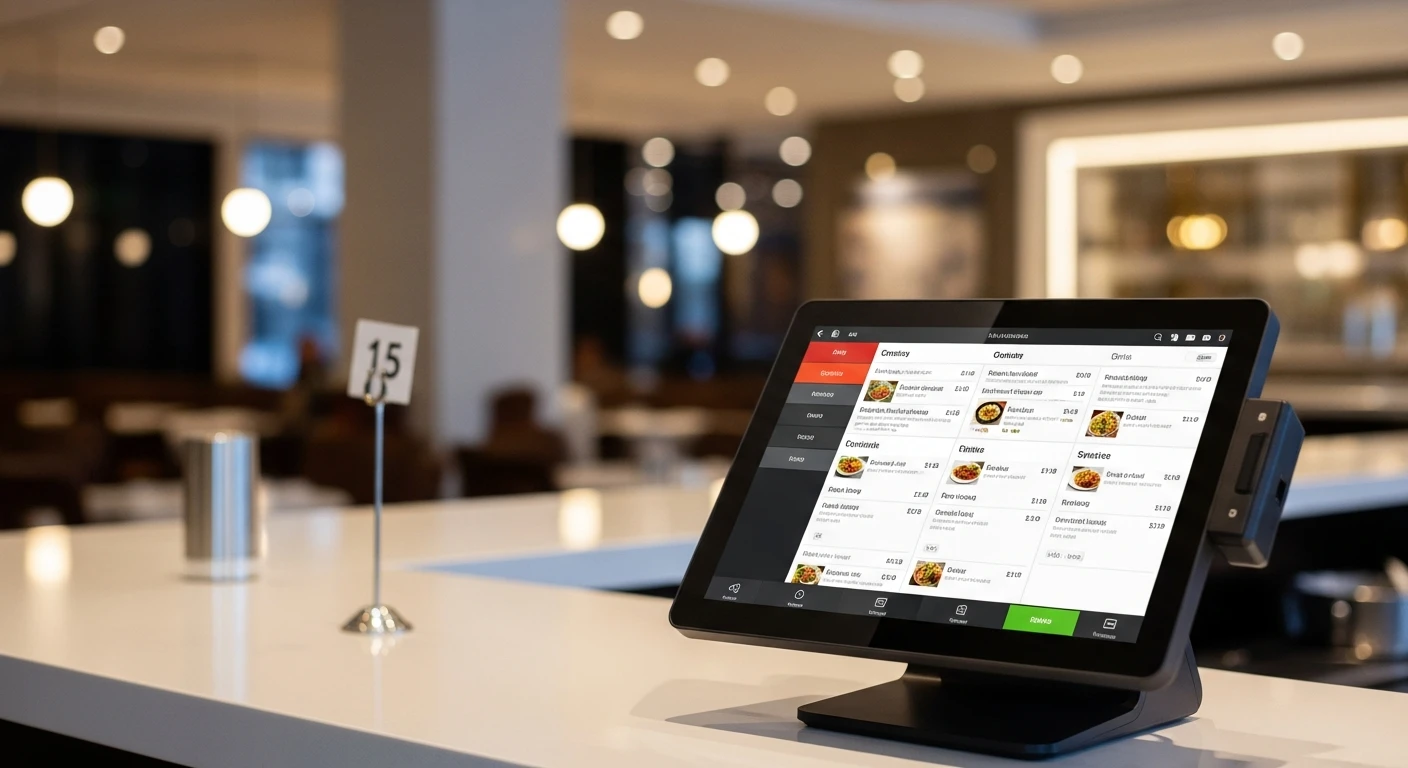
Philly's Restaurant Renaissance and the POS Reseller Timing Window ... requires understanding the local market, regulations, and customer expectations in Philadelphia. Philadelphia has always had great food. The cheesesteak, the soft pretzel, the roast pork sandwich — these are American institutions. But what happened to Philadelphia's restaurant scene over the past decade goes far beyond its iconic street food. The city has become one of the most exciting dining cities in America, with James Beard winners in Rittenhouse, innovative BYOB concepts in Queen Village, and a Vietnamese restaurant corridor in South Philadelphia that food writers compare favorably to Houston's Bellaire Chinatown.
The metro has approximately 5,200 restaurants. The city proper has about 3,200. And a significant portion of those restaurants — particularly the ones that opened between 2019 and 2024 — are now 2-5 years into their first POS contract and discovering the hidden costs of the platform they chose.
The Upgrade Cycle: Why Timing Matters
POS contracts typically run 2-3 years. A restaurant that opened in 2022 and signed a 3-year Toast agreement is approaching contract expiration in 2025-2026. That restaurant owner now has 3 years of data showing them exactly what they have paid in processing fees — and for many of them, the number is shocking.
A Philadelphia restaurant processing $45,000/month through Toast Payments at an effective rate of 3.0% pays $1,350/month, or $16,200/year, in processing fees. The same restaurant on KwickOS with an interchange-plus processor at 2.35% pays $1,057/month — saving $3,516 per year. When you present this math to a Philadelphia restaurant owner whose contract is expiring, the switching conversation starts immediately.
This upgrade cycle is the timing window. It is happening now, it will peak over the next 18-24 months, and it will not repeat for another 3 years. The reseller who captures these upgrade prospects now builds a portfolio that is locked in for years.
Philadelphia Neighborhoods
Fishtown and Northern Liberties
Philadelphia's hottest restaurant neighborhoods have added over 200 restaurants since 2018. The operators are young, independent, and financially conscious. Monthly card volumes of $35,000-$55,000. These neighborhoods are where the upgrade cycle will hit hardest because they have the newest restaurant stock.
Passyunk Avenue
East Passyunk Avenue in South Philadelphia is a nationally recognized dining corridor. Italian restaurants, Vietnamese BYOB concepts, and modern American restaurants line Passyunk from Broad Street to Snyder Avenue. Card volumes are moderate ($40,000-$60,000/month) but the restaurant density per block is extraordinary.
Chinatown
Philadelphia's Chinatown, centered on 10th and Race Streets, has 80+ Chinese, Vietnamese, and Southeast Asian restaurants. KwickOS's native Chinese language support provides the same unassailable competitive advantage here as in every other Chinatown market. The Vietnamese restaurant community extending from Chinatown south through Washington Avenue adds another 40+ restaurants to this multilingual corridor.
University City
West Philadelphia's University City — anchored by Penn and Drexel — has a dense restaurant scene serving students, faculty, and hospital workers. High transaction counts with moderate ticket sizes. The operators here skew younger and tech-savvy.
Revenue Projections
- Average monthly card volume: $42,000
- Per-merchant monthly residual: $63
- Year 1 (10 placements/month): ~$44,000
- Year 2 annual run-rate: $130,000+
The BYOB Factor
Philadelphia has more BYOB restaurants than any other American city — a consequence of Pennsylvania's complex liquor licensing laws. BYOB restaurants do not sell alcohol, which means their average ticket is lower, but their food margins are higher and their card volumes are primarily food-driven. For POS purposes, BYOB restaurants need streamlined ordering systems without bar tabs or alcohol modifiers. KwickOS's flexible configuration handles BYOB workflows cleanly, which sounds simple but is actually a selling point for operators who have been fighting POS systems designed for full-bar restaurants.
Three-Tier Partnership
Referral Partner: Philadelphia's restaurant supply network, BYOB consulting community, and commercial real estate brokers provide natural referral channels. KwickOS handles the 7-10 day implementation and ongoing support.
Active Reseller: Own the Philadelphia market. The compact urban geography means high prospect density per day. KwickOS handles 1-3 hour installation, 1-2 hour training, 24/7 support.
Full Partner: Cover Philadelphia and extend into the southern New Jersey restaurant market (Cherry Hill, Haddonfield, Atlantic City) and the Main Line suburbs. Combined market: 10,000+ restaurants.
Case Studies
Crafty Crab: Multi-Location Scale
Philadelphia's restaurant groups need proven multi-location capability. Crafty Crab's 19-location, 152-terminal deployment demonstrates enterprise management with one-click menu sync.
T. Jin: Cross-Neighborhood Monitoring
For operators managing restaurants in Fishtown, Passyunk, and the suburbs, T. Jin's real-time remote monitoring across 15 stores provides essential operational visibility.
Diva Nail Beauty: Salon Vertical
Philadelphia has a large beauty salon industry. Diva Nail's 4-location deployment with automated commission tracking opens the beauty vertical as a secondary market.
Launch Strategy
Month 1: Start in Chinatown and the Washington Avenue Vietnamese corridor. Multilingual advantage creates immediate differentiation.
Month 2: Expand to Fishtown and Passyunk — target restaurants approaching contract expiration from 2022-era POS installations.
Month 3+: Add University City and the suburbs. The timing window for upgrade-cycle captures is narrowing — move fast.
Philadelphia's restaurant renaissance created a wave of POS installations between 2019-2024. Those contracts are expiring now. The timing window for capturing upgrade-cycle merchants is 18-24 months. After that, these merchants will sign new 3-year deals — either with their current vendor or with you.
Explore the KwickOS Partner Program or call (888) 355-6996 to discuss Philadelphia.
Your Secret Selling Weapon: Gift Cards, Loyalty & Points — Included Free
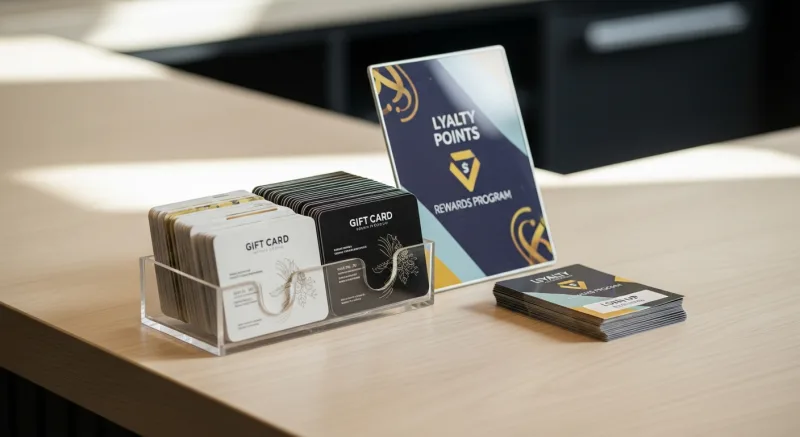
Here is what closes deals for KwickOS resellers: when a merchant asks "what about gift cards?" or "do you have a loyalty program?" — you say "It is included. No extra monthly fee." Watch their face when they realize Toast charges $75/month and Square charges $45/month for the same thing.
Why This Matters for Your Sales Pitch
Gift cards and loyalty programs are the features merchants ask about but competitors charge extra for. This is your competitive advantage in every demo:
- Gift card program — physical cards + e-gift cards, multi-location balance sync. Sell it as "your own Starbucks card" for their business
- Points system — automatic point earning on every transaction. Customers come back more often, spend more each visit
- Membership tiers — VIP programs, subscription models, exclusive pricing. Perfect upsell for restaurants, salons, and coffee shops
- CRM integration — customer purchase history, preferences, birthday tracking, SMS/email marketing all from one screen
The Math That Closes Deals
Toast loyalty add-on: $75/month = $900/year. Square loyalty: $45/month = $540/year. KwickOS: $0 extra. Over a 3-year contract, that is $1,620-2,700 your merchant saves — just on loyalty and gift cards. Add payment processing freedom savings ($6,000+/year) and you are showing $8,000+ in annual savings. That is an easy yes.