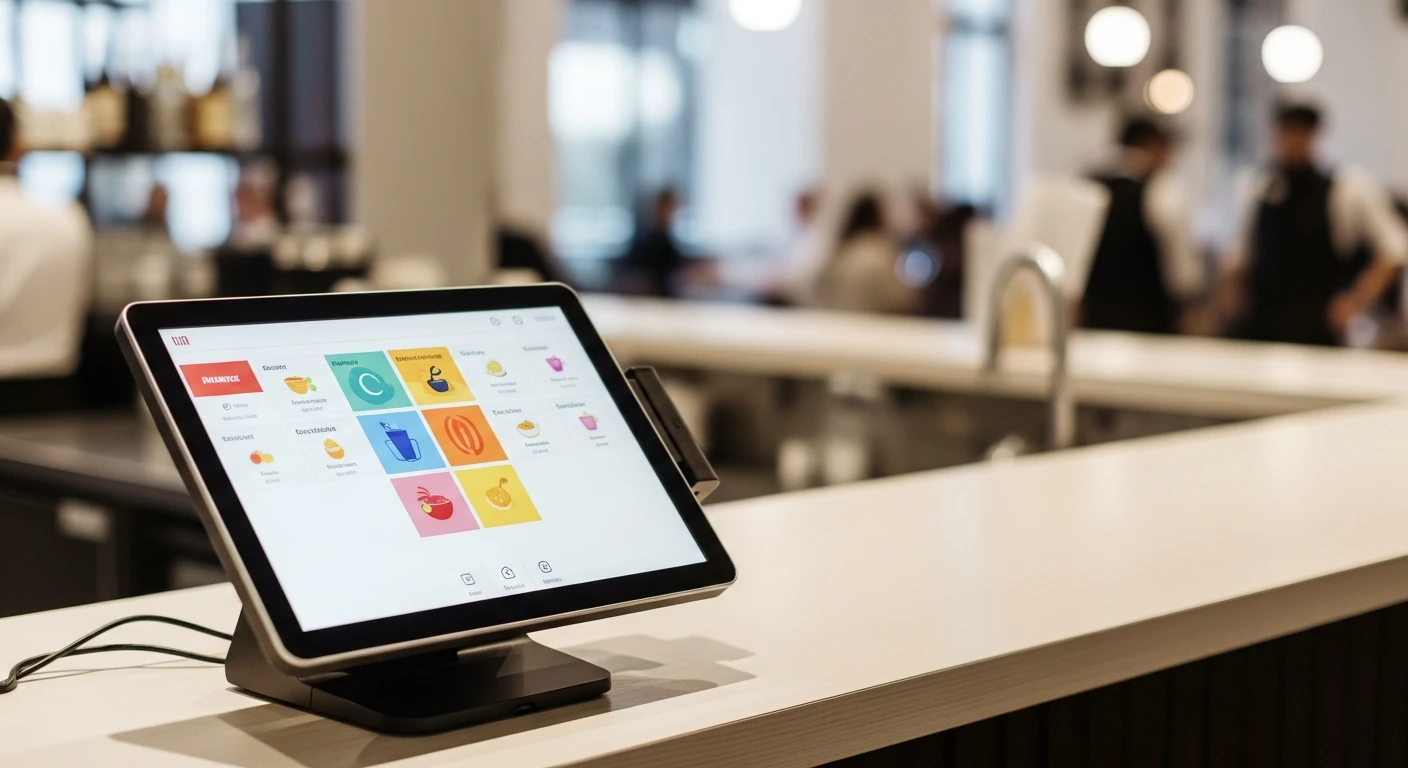
For entrepreneurs exploring Government Town That Eats Out More Than Anywhere, the revenue math is more compelling than most realize. Washington DC proper has approximately 4,600 restaurants in just 68 square miles. The greater DC metro — including Arlington, Alexandria, Bethesda, Silver Spring, and the Northern Virginia corridor — has over 12,000. What makes this market extraordinary is not just the count but the spending behavior: DC's per-capita restaurant spending is the highest in the nation, driven by a workforce where business dining is not a perk but a professional requirement.
Lobbyists take members of Congress to dinner. Law firms entertain clients. Think tanks host policy dinners. Embassies throw diplomatic receptions at restaurants. Defense contractors celebrate contract wins. These are not $15 lunch transactions — they are $200-per-person dinners on corporate cards. The result is average card volumes per restaurant that rival San Francisco and New York, in a city with significantly lower operating costs.
The Expense Account Economy
Understanding DC's restaurant economy requires understanding who pays the tab. In most American cities, restaurants depend primarily on discretionary consumer spending — money that dries up during economic downturns. In DC, a substantial portion of restaurant revenue comes from institutional spending: government per diems, corporate expense accounts, nonprofit event budgets, and embassy entertainment funds.
The federal government alone employs 370,000 people in the DC metro area. Add contractors, lobbyists, lawyers, consultants, and international organization employees, and the institutional workforce exceeds one million. These workers eat lunch out almost every day (DC has the lowest packed-lunch rate of any major metro) and entertain clients at dinner multiple times per week. Their spending is budgeted, approved, and reimbursed — which means it continues regardless of the broader economic cycle.
For a POS reseller, this creates an unusual income stability. Your processing residuals from DC restaurants will not crater during a recession the way they would in a consumer-dependent market like Las Vegas or Orlando. The federal government does not stop spending money during downturns — it typically spends more. Your DC restaurant portfolio produces what amounts to government-backed residual income.
DC's Restaurant Geography
Georgetown
DC's most historic dining neighborhood along M Street and Wisconsin Avenue features a mix of upscale restaurants, casual eateries, and waterfront dining along the Potomac. Card volumes of $55,000-$100,000/month. Georgetown restaurants serve a blend of Georgetown University students, wealthy residents, and tourists, with business dining peaking during the work week. The neighborhood's established operators often run multi-unit concepts and understand technology at a sophisticated level.
Capitol Hill and the Navy Yard
The Capitol Hill neighborhood surrounding the U.S. Capitol has transformed from a primarily residential area into a thriving restaurant corridor. Barracks Row on 8th Street SE and the rapidly developing Navy Yard neighborhood (anchored by Nationals Park) have added hundreds of restaurants in the past decade. Card volumes of $45,000-$80,000/month. The Navy Yard in particular is a greenfield opportunity — many restaurants are new construction making first-time POS decisions.
Capitol Hill restaurants have a unique volume pattern: they spike during Congressional sessions and dip during recesses. The Congressional calendar is public — a smart reseller prospects Capitol Hill restaurants during session, when operators are feeling the volume pressure that highlights POS limitations.
Adams Morgan and the International Corridor
Adams Morgan, centered on 18th Street NW, is DC's most internationally diverse dining neighborhood. Ethiopian restaurants (DC has the largest Ethiopian population outside of Africa), Salvadoran, Colombian, Mexican, Vietnamese, and Middle Eastern restaurants create a food corridor that reflects DC's international character. Card volumes of $35,000-$55,000/month.
The Ethiopian restaurant concentration is particularly notable — there are 30+ Ethiopian restaurants in and around Adams Morgan, and KwickOS's multilingual adaptability positions it well for this community. The Salvadoran and Latin American restaurants along Columbia Road benefit from KwickOS's native Spanish support.
Chinatown
DC's Chinatown, centered around the Friendship Arch on H Street NW, is small by the standards of New York or San Francisco Chinatowns. Many of the original Chinese restaurants have been displaced by chain restaurants capitalizing on the Capital One Arena (home of the Washington Wizards and Capitals) traffic. But the remaining authentic Chinese restaurants — and the growing Chinese restaurant scene in Rockville, Maryland, just outside the city — create an opportunity for KwickOS's Chinese language support.
The Rockville connection is critical. The Rockville Pike corridor and the area around Rockville Town Square have become the de facto Chinatown for the DC metro area, with 100+ Chinese restaurants serving the large Chinese-American community in Montgomery County. This suburban Chinatown is underserved by POS vendors and highly receptive to Chinese-language POS demonstrations.
The 14th Street Corridor
DC's hottest restaurant corridor runs along 14th Street NW from Thomas Circle to Columbia Heights. This strip has become the city's showcase for chef-driven independent restaurants, with James Beard winners and nominees concentrated in a one-mile stretch. Card volumes of $50,000-$85,000/month. These operators are the opinion leaders of DC's restaurant scene — a successful placement on 14th Street generates referrals throughout the city.
The Wharf
The Wharf, DC's massive waterfront development along the Southwest Waterfront, has added 30+ restaurants since opening in 2017. These are high-volume operations processing $60,000-$120,000/month, anchored by concert venue traffic (The Anthem, Pearl Street Warehouse) and waterfront tourism. The Wharf represents the newest restaurant infrastructure in DC — many operators here are tech-forward and evaluating their initial POS choices.
The Virginia and Maryland Expansion
A DC-based reseller has natural expansion into two of the wealthiest counties in America:
Northern Virginia: Arlington, Tysons, and the Dulles Corridor
Northern Virginia has exploded as a restaurant market, driven by Amazon's HQ2 in Arlington (Crystal City/National Landing), the Tysons Corner commercial center, and the Dulles Technology Corridor. Arlington's Clarendon and Ballston neighborhoods have 300+ restaurants. The Eden Center in Falls Church is a Vietnamese food corridor of 120+ shops and restaurants — one of the largest Vietnamese commercial centers on the East Coast. KwickOS's multilingual capability serves the Eden Center community effectively.
The Amazon HQ2 effect is reshaping Arlington's restaurant economy the same way Amazon reshaped South Lake Union in Seattle. New restaurants are opening monthly to serve the influx of tech workers, and these operators — many from Seattle and the Bay Area — understand technology architecture and respond to the KwickOS technical pitch.
Suburban Maryland: Bethesda, Rockville, and Silver Spring
Montgomery County, Maryland, has some of the highest household incomes in the nation. Bethesda's restaurant row along Bethesda Avenue and Woodmont Avenue features upscale dining with card volumes of $50,000-$90,000/month. Silver Spring's downtown has become a diverse restaurant district with Ethiopian, Latin American, and Asian restaurants. And Rockville's Chinese restaurant corridor provides the multilingual POS opportunity described above.
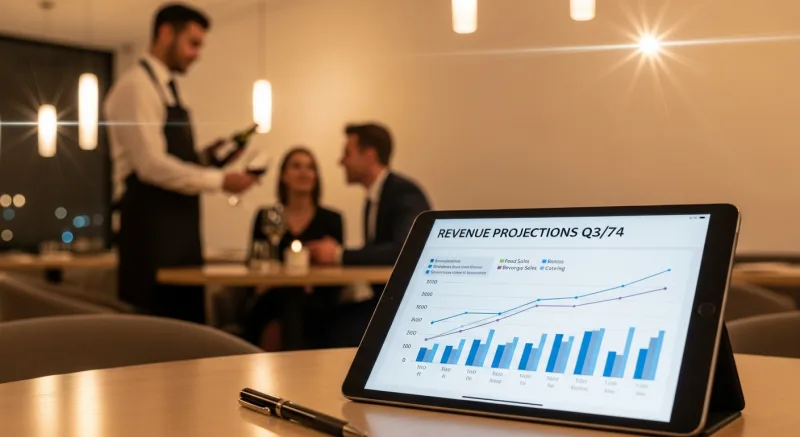
Revenue Projections
- Average monthly card volume: $50,000
- Per-merchant monthly residual: $75
- Year 1 (10 placements/month): ~$52,000
- Year 2 annual run-rate: $153,000+
DC's high average card volumes push per-merchant residuals to the top tier nationally. The combination of expense-account dining, high check averages, and near-total card adoption creates processing volumes that generate premium residual income from each placement.
The Embassy Row Factor
DC has 177 embassies and diplomatic missions. These institutions host events, receptions, and dinners at DC restaurants constantly. Embassy-connected dining is entirely card-based (diplomatic expense accounts), high-ticket, and recession-proof. Restaurants that cater to the diplomatic community — particularly those along Embassy Row on Massachusetts Avenue and in Georgetown — process some of the highest per-transaction amounts in the city.
The embassy connection also creates an international referral network. When a restaurant successfully serves the French embassy's events, word travels to the Italian, Spanish, and German embassies. Your restaurant clients benefit from diplomatic word-of-mouth, and your processing volumes increase accordingly.
DC's Infrastructure Reality
Washington DC's aging infrastructure produces regular internet disruptions, particularly in older neighborhoods like Georgetown (where the buildings predate the internet by two centuries), Adams Morgan, and Capitol Hill. The Metro system's ongoing maintenance creates traffic disruptions that affect delivery operations. Summer thunderstorms in the mid-Atlantic are intense and frequent, causing power fluctuations and connectivity issues.
KwickOS's hybrid local+cloud architecture provides the offline resilience that DC restaurants need during these events. When a Georgetown restaurant loses internet during a Friday dinner service — which happens more often than you would expect in the nation's capital — KwickOS continues processing locally at 1ms latency. The transition is seamless. The restaurant does not lose a single transaction.
Three-Tier Partnership
Referral Partner: DC's lobbying firms, law firms, and government contractor community interact with restaurant operators regularly. Real estate developers, restaurant suppliers, and hospitality consultants provide natural referral channels. KwickOS handles the 7-10 day implementation and all support.
Active Reseller: Own the District. DC's compact geography (68 square miles) means extraordinary prospect density — you can visit 20 restaurants per day on foot in neighborhoods like 14th Street, Capitol Hill, and Georgetown. KwickOS handles 1-3 hour installation, 1-2 hour training, 24/7 multilingual support.
Full Partner: Cover DC and expand into Northern Virginia and Suburban Maryland. The combined DC metro market is 12,000+ restaurants with the highest average card volumes in the eastern United States.
Case Studies
Haidilao: International Credibility
DC's international community — embassies, World Bank, IMF, international nonprofits — respects global brands. Haidilao's 600+ locations worldwide powered by KwickOS provides credibility that resonates in the most internationally connected city in America.
Crafty Crab: Multi-Location Management
DC restaurant groups operating across the District, Virginia, and Maryland need multi-location POS that works across state lines. Crafty Crab's 19-location deployment with one-click menu sync demonstrates this cross-jurisdiction capability.
T. Jin: Cross-River Monitoring
For operators managing restaurants in DC, Arlington, and Bethesda — connected by bridges and a Beltway notorious for the worst traffic in America — T. Jin's remote monitoring across 15 stores eliminates the commute that can consume two hours each way during peak traffic.
The Inaugural Strategy: A Launch Plan
Month 1: Start with Rockville's Chinese restaurant corridor and the Eden Center in Falls Church. Multilingual advantage creates immediate differentiation and fast placements in these underserved communities. Build a reference base of 10+ multilingual placements.
Month 2: Move into DC proper — target the 14th Street corridor and Capitol Hill/Navy Yard. These neighborhoods have the highest density of independent restaurants making active POS decisions. Use the Rockville and Eden Center references as proof points.
Month 3: Expand to Georgetown and Adams Morgan. Target the high-volume, high-ticket restaurants that generate premium residuals. Begin prospecting the Latin American restaurant community along Columbia Road with Spanish-language demonstrations.
Month 4+: Cover the Wharf, Northern Virginia's Clarendon/Ballston corridor, and Bethesda. Begin targeting multi-location restaurant groups for enterprise-scale deployments.
Why DC and Why Now
Washington DC's restaurant market combines the highest card volumes in the eastern U.S. with the most recession-resistant spending base in America. The expense-account economy ensures that your processing residuals remain stable regardless of economic cycles. The international community creates multilingual POS demand that KwickOS uniquely serves. And the metro's expansion into Northern Virginia and Suburban Maryland provides a 12,000-restaurant territory that a single committed reseller can own.
Administrations change. Congress recycles. But the government town always eats out — and your residual income from DC's restaurants is as reliable as the federal payroll.
Explore the KwickOS Partner Program or call (888) 355-6996.
Your Secret Selling Weapon: Gift Cards, Loyalty & Points — Included Free
Here is what closes deals for KwickOS resellers: when a merchant asks "what about gift cards?" or "do you have a loyalty program?" — you say "It is included. No extra monthly fee." Watch their face when they realize Toast charges $75/month and Square charges $45/month for the same thing.
Why This Matters for Your Sales Pitch
Gift cards and loyalty programs are the features merchants ask about but competitors charge extra for. This is your competitive advantage in every demo:
- Gift card program — physical cards + e-gift cards, multi-location balance sync. Sell it as "your own Starbucks card" for their business
- Points system — automatic point earning on every transaction. Customers come back more often, spend more each visit
- Membership tiers — VIP programs, subscription models, exclusive pricing. Perfect upsell for restaurants, salons, and coffee shops
- CRM integration — customer purchase history, preferences, birthday tracking, SMS/email marketing all from one screen
The Math That Closes Deals
Toast loyalty add-on: $75/month = $900/year. Square loyalty: $45/month = $540/year. KwickOS: $0 extra. Over a 3-year contract, that is $1,620-2,700 your merchant saves — just on loyalty and gift cards. Add payment processing freedom savings ($6,000+/year) and you are showing $8,000+ in annual savings. That is an easy yes.