142 Topping Combinations and Your Staff Memorized None of Them. AI Did.
Updated March 2026 · 11 min read
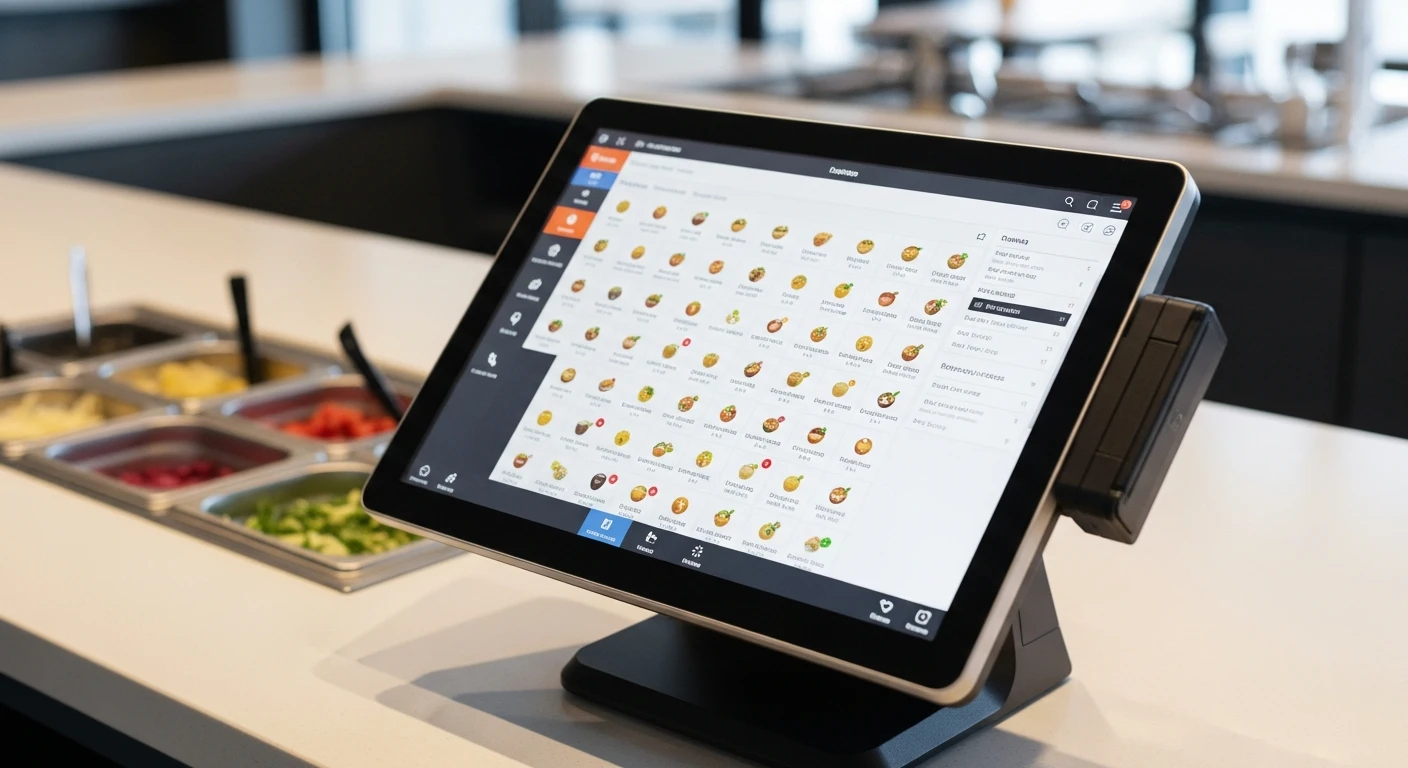
A bubble tea shop with 20 base drinks, 8 topping options, 4 sweetness levels, 3 ice levels, and 2 sizes generates 3,840 possible order combinations. Your staff does not need to memorize them. But your POS system needs to track every single one — because buried in those combinations is the data that determines whether your shop makes money or slowly bleeds it.
Which toppings are customers adding most frequently? Which combinations have the highest margin? Which customization options slow down production and should be simplified? Which drinks are ordered once and never again? A traditional POS records the sale and moves on. An AI-powered POS answers these questions continuously, turning every transaction into an intelligence report that makes your next shift more profitable than the last.
Bubble tea is the fastest-growing beverage category in North America, with the U.S. market projected to reach $4.8 billion by 2027. The shops that survive the inevitable market correction — when 40% of the current shops close within three years, as industry analysts predict — will be the ones that operate on data rather than instinct.
The Topping Prediction Problem
Tapioca pearls are the backbone of bubble tea operations, and they are also the most operationally fragile ingredient. Fresh boba has a 4-hour window of optimal texture. Cook too many and you throw away product. Cook too few and you tell customers the most iconic ingredient in your shop is unavailable.
KwickOS AI tracks boba consumption by hour and generates cooking schedules that maintain fresh supply without overproduction. The system learns that your shop uses 15 pounds of boba between 11 AM and 2 PM, 8 pounds between 2 PM and 5 PM, and 12 pounds between 5 PM and 8 PM. It generates a cooking schedule: start the first batch at 10:30 AM (15 pounds), the second batch at 1:30 PM (8 pounds), and the third batch at 4:30 PM (12 pounds). Batch sizes adjust daily based on the AI's demand forecast.
Beyond boba, the system tracks consumption rates for every topping: pudding, jelly, aloe vera, red bean, coconut jelly, cheese foam. Tiger Sugar, a KwickOS customer with 2 stores and 2 kiosks, manages their signature brown sugar boba with this kind of precision. When the AI detects that cheese foam demand spikes 60% on weekends, the prep schedule adjusts automatically — more cheese foam prepared Saturday morning, less on Tuesday.
Customization Speed: Where AI Cuts 30 Seconds Per Order
The average bubble tea order involves 4-6 customization decisions: base drink, size, sweetness, ice, toppings, and sometimes milk type. At a busy shop processing 300 orders per day, a 30-second reduction in order entry time saves 150 minutes of labor daily — 2.5 hours that can be redirected to production.
KwickOS AI accelerates ordering through intelligent defaults and predictive suggestions. When a returning customer scans their loyalty QR code, the system pre-loads their most frequent order as a one-tap reorder. For new customers, the AI presents the most popular customization for each drink as the default: "Taro Milk Tea — 50% sweetness, less ice, with boba" — requiring only a confirmation tap rather than four separate selections.
On self-ordering kiosks, this is transformative. Tiger Sugar's kiosks at their locations use KwickOS to present personalized recommendations based on time of day, weather, and trending items. A customer approaching the kiosk at 3 PM on a hot afternoon sees iced fruit teas featured prominently. The same kiosk at 7 PM in December leads with warm milk tea options. This contextual presentation reduces decision time and increases average ticket by 12% through strategic upselling.
Gen-Z Loyalty: Why Points Programs Fail and What AI Does Instead
Bubble tea's core demographic — 16 to 30 years old — does not respond to traditional loyalty cards. They do not carry wallets. They do not want to remember a phone number at checkout. They will not download another app. The shops that crack Gen-Z loyalty will dominate; the ones that do not will churn through customers faster than they can acquire them.
KwickOS builds loyalty around the customer's phone number or QR code, requiring zero app downloads. The system tracks visits and spending automatically, and the AI personalizes rewards based on individual behavior rather than applying a one-size-fits-all points structure.
A customer who visits twice a week and always orders a medium gets a reward that encourages upsizing: "Your next large is free." A customer who visits once a week gets a frequency reward: "Visit three times this week and earn double points." A customer who tried a new seasonal drink gets an exploration reward: "Try another new drink this month and earn a free topping."
The AI also identifies social amplification opportunities. It detects when a customer orders two or more drinks (likely with a friend) and triggers a share incentive: "Bring a friend who has not visited before and you both get a free topping." Social referral is the most powerful marketing channel for bubble tea shops, and AI turns every group order into a referral opportunity.
Gift cards in bubble tea shops perform differently than in other food service. The average bubble tea gift card is $15-25, purchased by one Gen-Z customer for another. KwickOS tracks that gift card recipients who redeem within the first week have a 45% chance of becoming repeat customers. The system sends a follow-up text to new gift card redeemers three days after their first visit with a personalized reward to encourage a second visit, converting one-time gift card users into regulars.
KwickPhone: Why a Bubble Tea Shop Needs AI Phone Handling
Bubble tea shops receive a surprising volume of phone calls: catering orders for office events, large orders for parties (20-30 drinks with specific customizations), allergen inquiries, and business-hour confirmations. These calls typically arrive during the afternoon rush when every staff member is making drinks.
KwickPhone handles these calls without pulling a single employee off the production line. For large orders, the AI walks the caller through base selections, customization options, and pickup timing. A caller ordering 25 drinks for an office party can specify "10 taro milk tea with boba, 8 mango green tea with jelly, 7 brown sugar milk with boba, all 50% sweetness, regular ice" and the system enters the order directly into the production queue with a scheduled prep time.
For a shop that currently misses or rushes through 5-10 phone orders per week, KwickPhone recovers $200-500 in weekly revenue. Catering orders, in particular, have average tickets 10-15 times higher than individual walk-ins, making every missed catering call a significant loss.
Ingredient-Level Inventory with Recipe Intelligence
Bubble tea inventory is uniquely complex. A single drink might require tea base (brewed that morning), milk (dairy or non-dairy), flavoring syrup, sweetener, ice, and one or more toppings. Each ingredient has a different shelf life: brewed tea lasts 8 hours, boba lasts 4 hours, dairy milk lasts days, and syrups last weeks. Managing these overlapping expiration windows manually leads to either waste or quality degradation.
KwickOS AI tracks every ingredient at the recipe level. When you sell a large taro milk tea with boba and cheese foam, the system deducts the precise quantities from six different inventory items simultaneously. It knows that your taro powder is sufficient for 340 more drinks, your cheese foam base will run out in 2 days at current velocity, and your medium cups need reordering by Thursday.
The system generates purchase orders with supplier lead times factored in. It learns that your tapioca supplier ships in 3 days, so it triggers orders when you have 4 days of supply remaining. For perishable items like milk, it adjusts order quantities based on the AI's demand forecast to minimize spoilage — ordering more milk before a projected busy weekend and less before a slow midweek period.
Menu Engineering for Maximum Margin per Cup
Not all bubble tea drinks are created equal from a margin perspective. A classic milk tea with boba might cost $1.20 to make and sell for $6.50 (81.5% margin). A fruit tea with fresh mango, passion fruit, and cheese foam might cost $2.90 to make and sell for $7.50 (61.3% margin). The fruit tea sells for more but contributes less profit per cup.
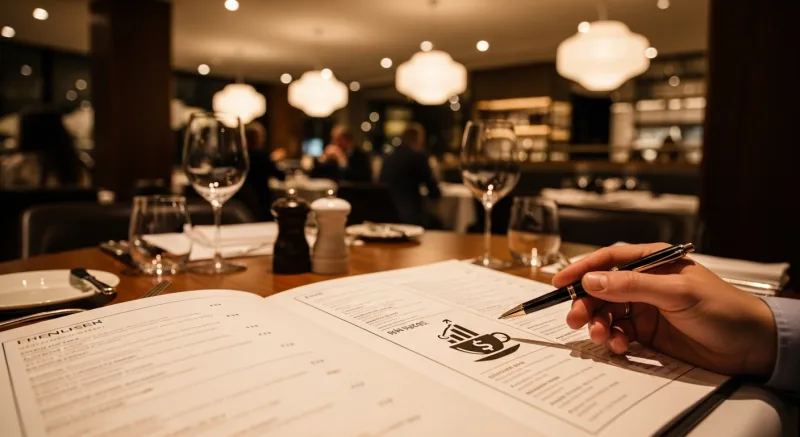
KwickOS AI continuously calculates per-item profitability and recommends menu positioning strategies. It suggests featuring high-margin drinks in the "popular" or "recommended" sections of your menu and kiosk displays. It identifies low-margin drinks that could be reformulated — replacing fresh mango with mango puree in a blended drink where customers cannot taste the difference saves $0.80 per cup without affecting satisfaction.
The system also identifies optimal pricing for add-ons. Toppings are the highest-margin component of a bubble tea order. Boba costs $0.08 per serving and sells for $0.75. Cheese foam costs $0.35 and sells for $1.50. The AI tests whether increasing the cheese foam price to $1.75 affects attachment rate. If the rate drops less than 10%, the price increase is profitable. If it drops more, the system recommends reverting.
Labor Optimization for the Bubble Tea Production Line
Bubble tea production is a sequential assembly process: brew tea, add flavoring, add ice, shake or blend, add toppings, seal cup. Each step takes 10-30 seconds, and bottlenecks at any station slow the entire line. A queue of 15 customers during the after-school rush means 15-20 minutes of wait time if your production line is not optimized.
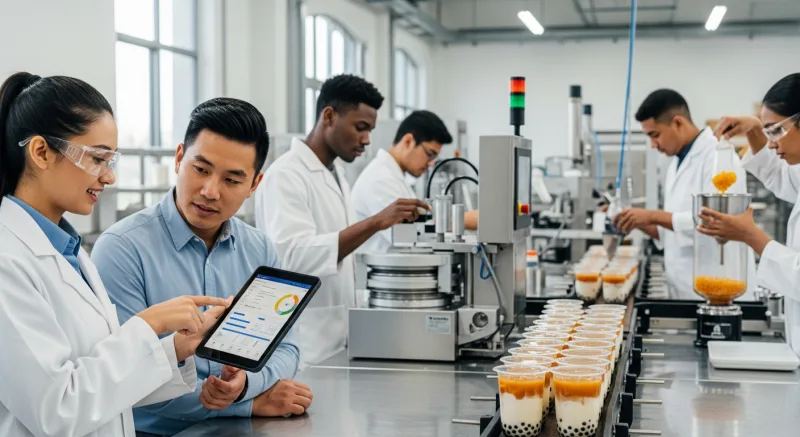
KwickOS labor optimization identifies which station is the bottleneck and recommends staffing adjustments. If the shaking/blending station is consistently the slowest step, the system recommends adding a second person during peak hours. If the sealing station is idle 40% of the time, it recommends cross-training that employee to assist with topping prep during peaks.
The system also tracks individual employee speed and accuracy. A staff member who consistently produces drinks 20% faster with no quality issues gets scheduled during peak hours. A newer employee who is slower but accurate gets scheduled during training-friendly off-peak periods. This data-driven scheduling replaces the arbitrary shift assignments that most shops use.
Customer Churn in a Trend-Driven Market
Bubble tea customers are notoriously fickle. A new shop opens with an Instagram-worthy interior and your regulars try it for a month. A TikTok trend sends everyone to a competitor's limited-time drink. Churn rates in bubble tea shops average 25-35% annually — far higher than traditional food service.
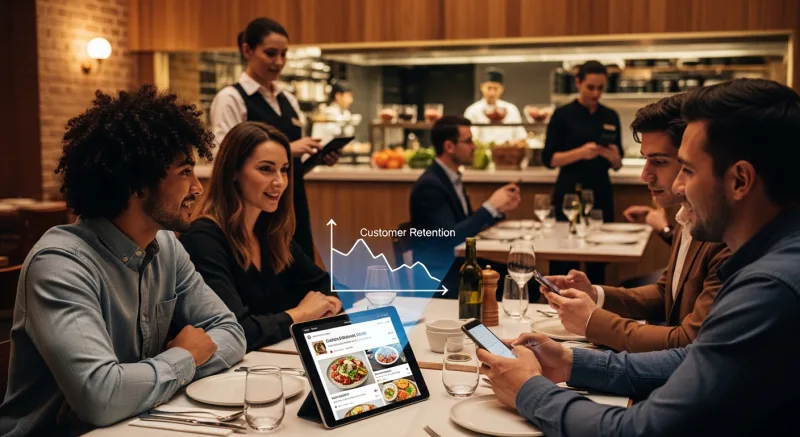
KwickOS churn prediction identifies customers whose visit frequency is declining and categorizes the likely cause. A customer who dropped from twice a week to once every two weeks after a new competitor opened nearby gets a "competitive win-back" offer: a free premium topping on their next visit. A customer who stopped ordering their usual drink after a recipe change gets a "satisfaction recovery" outreach: "We noticed you have not tried your taro milk tea recently. We would love your feedback."
The AI calculates the cost of each intervention against the customer's projected lifetime value. Spending $2 on a free topping to retain a customer worth $780 annually is an obvious investment. The system makes these calculations automatically and at scale, managing retention for hundreds of at-risk customers simultaneously.
Why Toast and Square Miss the Bubble Tea Market Entirely
Toast was built for restaurants with servers, tables, and tips. Its interface assumes a dining experience. Bubble tea shops are production-line operations closer to manufacturing than to hospitality. Toast's table management, tip calculation, and course-based ordering add complexity that bubble tea shops do not need and cannot use.
Square handles basic transactions but treats every customization modifier the same way. It does not understand that "50% sweetness" affects syrup inventory differently than "regular sweetness." It cannot connect a topping selection to an ingredient depletion rate or generate a boba cooking schedule based on demand forecasts.
Neither platform supports the kiosk-forward, QR-code-based loyalty model that Gen-Z customers expect. Neither offers multi-language support that bubble tea shops — many operated by Chinese, Taiwanese, or Korean entrepreneurs — require for their mixed-language staff and customer base. KwickOS supports English, Chinese, and Spanish natively, with each kiosk and station configurable independently.
Bubble tea shop owners: Call (888) 355-6996 or visit KwickOS.com to see how AI transforms high-customization beverage operations.
AI + Loyalty: Smarter Customer Retention
KwickOS combines AI insights with built-in loyalty tools to do something no other POS can: predict which customers are about to stop coming in and automatically re-engage them.
The gift card and loyalty system is not just a punch card — it is connected to AI-powered analytics that identify spending patterns, predict churn risk, and suggest targeted promotions. A customer who used to visit weekly but has not been in for 3 weeks? The system flags them and can trigger an automatic points bonus or e-gift card offer via SMS.
- Smart gift cards — AI suggests optimal gift card denominations based on your average ticket size
- Predictive loyalty — identifies at-risk customers before they leave, triggers re-engagement
- Points optimization — automatically adjusts earn rates during slow periods to drive traffic
- Membership insights — shows which VIP tiers generate the most lifetime value
All included. No add-on fees. Toast charges $75/month for basic loyalty without any AI component.
AI + Loyalty: Smarter Customer Retention
KwickOS combines AI insights with built-in loyalty tools to do something no other POS can: predict which customers are about to stop coming in and automatically re-engage them.
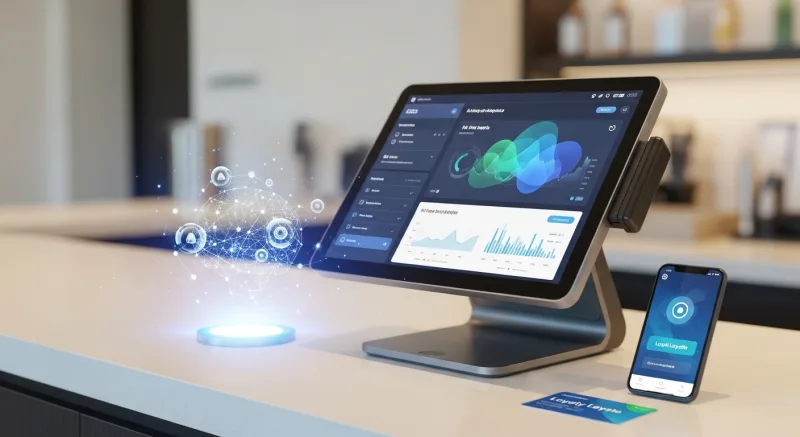
The gift card and loyalty system is not just a punch card — it is connected to AI-powered analytics that identify spending patterns, predict churn risk, and suggest targeted promotions. A customer who used to visit weekly but has not been in for 3 weeks? The system flags them and can trigger an automatic points bonus or e-gift card offer via SMS.
- Smart gift cards — AI suggests optimal gift card denominations based on your average ticket size
- Predictive loyalty — identifies at-risk customers before they leave, triggers re-engagement
- Points optimization — automatically adjusts earn rates during slow periods to drive traffic
- Membership insights — shows which VIP tiers generate the most lifetime value
All included. No add-on fees. Toast charges $75/month for basic loyalty without any AI component.
AI + Loyalty: Smarter Customer Retention
KwickOS combines AI insights with built-in loyalty tools to do something no other POS can: predict which customers are about to stop coming in and automatically re-engage them.
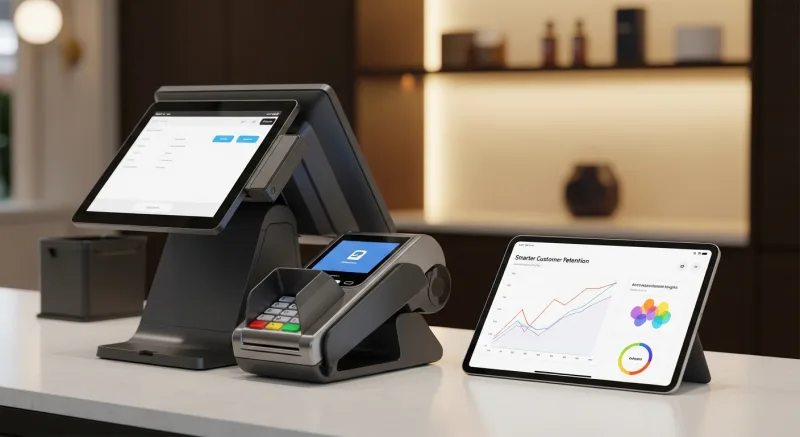
The gift card and loyalty system is not just a punch card — it is connected to AI-powered analytics that identify spending patterns, predict churn risk, and suggest targeted promotions. A customer who used to visit weekly but has not been in for 3 weeks? The system flags them and can trigger an automatic points bonus or e-gift card offer via SMS.
- Smart gift cards — AI suggests optimal gift card denominations based on your average ticket size
- Predictive loyalty — identifies at-risk customers before they leave, triggers re-engagement
- Points optimization — automatically adjusts earn rates during slow periods to drive traffic
- Membership insights — shows which VIP tiers generate the most lifetime value
All included. No add-on fees. Toast charges $75/month for basic loyalty without any AI component.
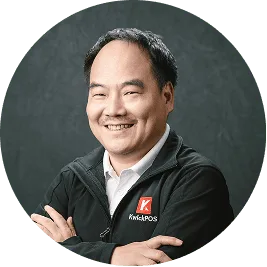
Founder & CIO of KwickOS · 30 Years IT · 20 Years Restaurant Industry
Tom built KwickOS after decades running restaurants and IT companies. Today KwickOS serves 5,000+ businesses across 50 states.