 Ming Ye
Picture the scene. It's an NFL Sunday, late in the afternoon window. Your sports bar is at capacity, there's a name on the waitlist for every open seat, and the noise hits you like a wall when the home team scores. From behind the bar it feels like the best night of the month.
Then Monday comes, the manager runs the report, and the number doesn't match the memory. Covers were up. Sales were up. Profit was flat — or worse.
Here's the thing: that's not bad luck, and it's not your crew. A full house on game day comes bundled with its own profit leaks — surging labor, comped rounds nobody tracked, kitchen tickets backing up past the point of no return, and a final-whistle stampede to the register that pushes guests out the door before they ever spend a second time. You didn't lose money because the night was slow. You lost it because the night was fast and your systems weren't built for the speed.
And that's the part that should sting: industry estimates put a well-run mid-size sports bar around $5,000 to $6,000 in sales on a marquee game day, with the strongest operators averaging closer to $5,400 on a single NFL Sunday. The bar next door, same size, same TVs, same crowd, books half of that — because they're running the event on instinct while the winners are running it on a system.
I spend my days designing the architecture that keeps 5,000+ KwickOS businesses running when the room gets loud and the orders pile up. So let me walk you through game day the way I'd walk through a system under load: where it breaks, and exactly what to fix.
The $5,400 Night Isn't Luck — It's Capacity Math
Start with the uncomfortable truth: on game day, your revenue ceiling isn't set by demand. Demand is overflowing. It's set by your throughput — how many guests you can seat, serve, and turn between kickoff and the final whistle.
Every game day has a fixed clock. A football window is roughly three hours; a fight card might be four. Inside that window, every minute a table sits unordered, every drink that takes ten minutes to reach a hand, every ticket the kitchen can't fire fast enough is revenue you physically cannot recover. The game ends whether you served those guests or not.
So the math is simple and brutal: more covers in the same hours = more revenue, full stop. A bar that turns its high-top section twice during a game instead of once doesn't make a little more money — it makes dramatically more, because the second turn is nearly all margin on top of fixed rent and labor you're already paying.
But here's what most owners miss: every part of the game-day plan below — the TVs, the menu, the drinks, the checkout — is really just a lever on that one number. Keep that frame and the priorities sort themselves out.
TV Setup: Your Most Underused Revenue Asset
Let's start with the obvious thing that's almost always done wrong. The screens.
A sports bar lives or dies on sightlines. If a guest can't see the game clearly from where they're sitting, they leave — and they don't come back. The fix isn't just "more TVs." It's coverage: every seat in the house needs an unobstructed view of at least one screen showing the game that table came for.
That last part matters more than the screen count. On a big Sunday there are multiple games at once. The bars that win dedicate screens by demand — the marquee game on the biggest wall, divisional games and the local team on satellites, and a couple of audio-controlled "premium zones" where a group can actually hear their game. Sell those zones. A reserved table in front of the main screen for the championship is a product, and people will pay for it.
Here's a pattern interrupt worth sitting with: your TVs don't generate revenue by being on. They generate revenue by keeping a paying guest in a seat for three hours instead of one. Every dead screen, every glare-blinded corner, every "sorry, that TV doesn't get that channel" is a guest doing the math on whether to stay. Audit your room from every single seat before the season starts, not during the rush.
Engineer the Game-Day Menu for Throughput, Not Just Appetite
Now the kitchen. This is where most game-day profit quietly dies.
The instinct is to run your full menu so guests can order anything. That's a mistake on a high-volume day. A sprawling menu means a slow line, blown ticket times, and a kitchen that becomes the bottleneck for the entire room. When the kitchen backs up, drinks back up, the floor backs up, and your throughput — the number that sets your revenue ceiling — collapses.
The winners do the opposite. They run a tightened game-day menu built around three rules:
- Shareables that travel in volume. Wings, nachos, sliders, loaded fries, bucket-and-app combos. High perceived value, strong margins, and the line can fire them in batches.
- Low station-count plates. Every dish that touches three stations doubles your ticket time. Favor items the line can assemble fast and consistently when it's slammed.
- Limited choices, on purpose. Fewer SKUs means faster prep, tighter inventory, and fewer mistakes when the room is at its loudest.
This is exactly the kind of operation that breaks a generic POS and shines on a purpose-built one. With KwickOS, that game-day menu is a preset layout your staff can switch to with one tap, and orders fire straight to a kitchen display system that routes wings to the fryer station and nachos to the cold line automatically — no handwritten tickets, no lost orders in the noise. Crafty Crab Seafood runs 152 terminals across 19 stores on this exact backbone, with customized KDS routing for special requests; the same architecture that keeps a 19-store seafood chain in sync is what keeps your single bar's kitchen from drowning on Sunday.
Drink Promotions That Add Margin Instead of Giving It Away
Drinks are where a sports bar makes its real money — beverage margins run far higher than food, often 75 to 85 percent on cocktails and draft. Which means game day should be your highest-margin day of the week. So why does it so often feel like you're giving the bar away?
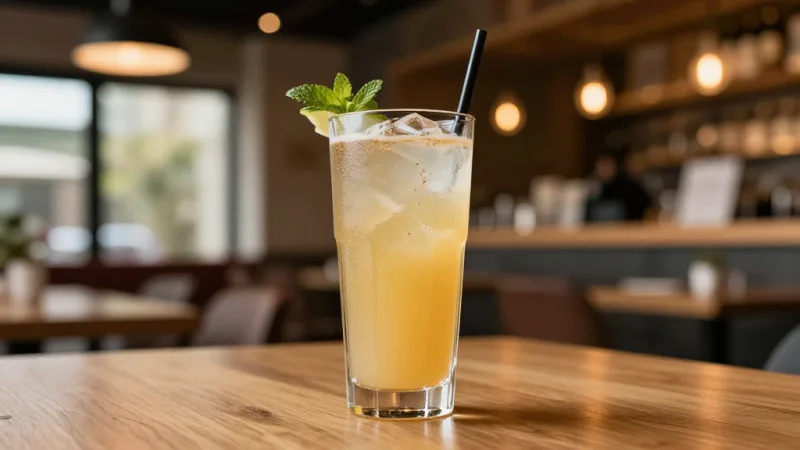
Because most "specials" are just discounts with no structure behind them. A blanket "$2 off everything" trains guests to spend less and erases the very margin that makes the night worth running.
Structured promotions do the opposite. They feel like a deal to the guest while protecting — or growing — your margin:
- Bucket deals. Five domestic beers at a set price moves volume and raises the average tab instead of shrinking it.
- Pitcher-and-app combos. Bundle a high-margin pitcher with a high-margin shareable. The combo price still beats your food-and-drink cost handily.
- Team-signature cocktails. A named drink in the home team's colors is a premium item people photograph and reorder — and post to Instagram for free.
- In-game triggers. A discounted shot when the home team scores turns a price cut into a moment of excitement that drives a fresh round of orders.
But here's the operational catch, and it's the difference between a promotion that prints money and one that creates chaos: your bartenders have to ring these instantly and accurately while the room is screaming. If a bucket deal requires manual math or a manager override, it won't get rung correctly, and you'll never know what actually worked.
This is a checkout-systems problem. In KwickOS, every promotion is a preset button at the point of sale — one tap rings the bucket, applies the combo price, and logs it. After the game, your reporting shows you precisely which promotion drove margin and which just cost you, so next Sunday's plan is data, not a guess. For the deeper math on protecting beverage margin, our bar profit optimization guide breaks it down drink by drink.
Lock In Revenue Before Kickoff: Reservations and Pre-Sells
Here's a move most sports bars never make: bank the revenue before the game even starts.
For marquee events — playoff games, a championship, a major fight — demand wildly outstrips seating. That scarcity is a product. Sell it in advance:
- Reserved tables and booths in prime viewing zones, sold through your online ordering and reservation tools.
- Bottle and bucket packages — a prepaid table package (a pitcher tier, a wings platter, reserved seating) that a group buys before they arrive.
- Prepaid watch-party buckets that one organizer pays for, locking in a full table of guaranteed revenue.
And this is where e-gift cards become a quiet weapon. Sell digital gift cards as the currency for watch-party groups — the organizer buys a gift card, the whole table runs the tab against it, and you've collected the money days before anyone walks in. Push gift cards hard in the run-up to big games; they're prepaid revenue, they pull in new customers when they're redeemed, and a meaningful slice of every gift card balance is never fully spent — pure margin.
Pattern interrupt: a pre-sold reservation isn't just income — it's information. When you know you've booked 40 reserved seats and three bottle packages before kickoff, you staff to an exact number and prep to an exact count instead of guessing and either drowning or overspending on labor. Certainty is its own form of profit. Pre-selling private viewing areas is the same play our private event revenue guide uses to fill dead nights — game day just hands you the demand for free.
The Checkout Bottleneck Most Sports Bars Never Fix
Now the leak nobody talks about, because it happens at the one moment everyone's distracted: the final whistle.
The game ends, and within five minutes half your room wants to close out at once. If your checkout can't absorb that surge — splitting a 12-person tab, running cards fast, handling a table that wants to split by item — you create a wall of frustrated guests, your tables don't turn for the late crowd, and people walk out remembering the wait instead of the win.
This is pure systems architecture, and it's exactly what KwickOS is built for:
- Hybrid local + cloud means your POS runs on 1ms local latency and keeps working even if the internet drops mid-game. On the busiest night of your month, your checkout does not depend on your ISP. That alone has saved operators from the nightmare of a dead register at the worst possible moment.
- Fast tab splitting — by guest, by item, by share — so a 12-top closes out in a minute, not fifteen.
- Processor-agnostic payments mean you keep 100% of your processing relationship and aren't locked into one company's rates. On a $5,400 night, the difference between a locked flat rate and a negotiated interchange-plus rate is real money — run your own numbers with our processing fee calculator.
- Fingerprint 1:N login gets bartenders into the system in under a second with no shared passwords — and it kills the time-theft and unauthorized-comp leaks that quietly drain high-volume nights.
Toast and Square can't match this combination — they lock your processing and they run cloud-dependent, which means a network hiccup on game day can stall your register. If you're weighing the difference, our KwickOS vs Toast comparison lays it out line by line. The checkout isn't the boring end of the night. On game day, it's the gate every dollar has to pass through twice — once to order, once to pay — and a slow gate caps your entire revenue ceiling.
Turn One-Time Fans Into Weekly Regulars
Here's the most expensive mistake of all, and almost everyone makes it.
Game day floods your bar with new faces — fans who came for the matchup, not for you. And the overwhelming majority walk out as anonymous strangers you'll never reach again. You paid in labor, food cost, and discounts to acquire them, and then you let them vanish into the parking lot. That's not a slow night's problem. That's leaving the single biggest asset of the night on the table.
The fix is to capture them at the point of sale, where you already have their attention and their card:
- Loyalty and points enrollment at checkout. One prompt at the register turns a stranger into a tracked customer you can invite back for next week's game. A points program gives them a reason to choose you over the bar down the street.
- A game-day membership. Sell a season-long membership that bundles perks for every home game — priority seating, a standing drink deal, bonus points on Sundays. That's recurring, predictable revenue locked in before the season even starts.
- Gift cards as a retention hook. A "buy $50, get $10" gift card promotion on game day brings that guest back to redeem it — and they almost always spend over the balance.
- Customer profiles that remember. When orders link to customer records, you know who your big-tab regulars are and can target them for the next marquee event.
The reason most bars never do this isn't laziness — it's that their checkout, loyalty program, gift cards, and customer data live in four disconnected systems, so the retention loop requires a clipboard at the host stand that nobody fills out. In KwickOS, checkout, loyalty, points, gift cards, memberships, and customer profiles are one platform. Enrollment happens in the same tap as payment, and the follow-up runs automatically. That's how a single championship night becomes a season of full-price repeat visits — the exact playbook in our restaurant loyalty program guide.
Fantasy Leagues, Watch Parties, and Social Media
One more lever, and it's the cheapest one you have: become the default gathering place, not just an option.
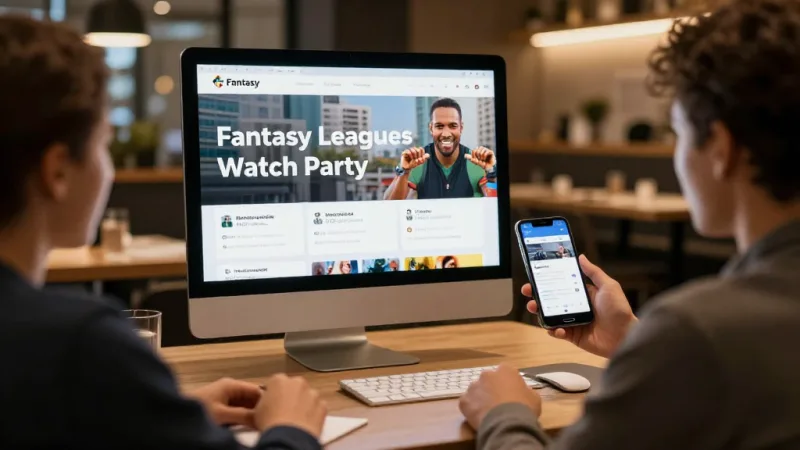
Host the fantasy football draft. A draft party is a guaranteed full table for three hours, weeks before the season starts, and that league will come back to your bar every Sunday all season to settle scores in person. Offer a reserved draft package — table, food platter, and a round — and you've turned a free event into pre-sold revenue and a season of recurring visits.
Run recurring watch parties for every home game with a predictable format guests can count on. Predictability is underrated: when fans know your bar is "where we watch the game," you stop competing for attention every single week.
And let your guests do your marketing. Those team-signature cocktails, the packed room, the buzzer-beater reaction — that's content. A photo-worthy drink, a visible "watch every game here" board, and a simple hashtag turn every guest's phone into a free ad to exactly the audience you want. Pair it with the tactics in our happy hour strategy guide to keep the room full on the off-days too, and check the restaurants industry page for how KwickOS fits a high-volume bar end to end.
The Bottom Line
A packed sports bar on game day is raw potential, not guaranteed profit. The bars that consistently clear $5,000+ on a single NFL Sunday aren't busier or luckier than the ones that break even — they run the exact same event on a system instead of on instinct.
They maximize throughput because throughput sets the ceiling. They engineer the menu and the screens around it. They protect drink margin with structured promotions, bank revenue before kickoff with pre-sold reservations and gift cards, and run a checkout fast and resilient enough to turn the room twice and survive the final-whistle rush. And — most importantly — they capture every new fan at the point of sale with loyalty, points, memberships, and gift cards, so one championship night funds an entire season of repeat visits.
Every one of those is a systems decision. Get the system right, and game day stops being the night you hope goes well and becomes the most reliable revenue engine on your calendar. Curious whether you're the partner type? Operators who run multiple high-volume venues often end up reselling the platform — see the partner program for how that works.
Make Game Day Your Most Profitable Night
KwickOS gives your sports bar one platform for fast checkout, throughput menus, drink promotions, gift cards, and loyalty — built to run when the room is loudest. See how much more every game day could earn.
Calculate Your SavingsFrequently Asked Questions
Why does a packed sports bar still lose money on game day?
Because volume isn't the same as profit. A full room on game day comes with surging labor, comped rounds, slow ticket times, and a checkout bottleneck at the final whistle that pushes guests out before they spend a second time. The bars that win game day don't just fill seats — they engineer the menu around kitchen throughput, protect drink margin with structured promotions instead of random comps, and use a fast point-of-sale checkout so they can turn more covers in the same hours. The packed room is the raw material; the system is what turns it into a $5,000-plus night.
How can a sports bar lock in revenue before the game even starts?
Pre-sell it. For marquee games — playoffs, a championship, a big fight — sell reserved tables, bottle packages, and prepaid food-and-drink buckets in advance through your online ordering and reservation tools. Sell e-gift cards as the currency for watch-party groups so one person pays and the whole table runs a tab against it. Pre-sold reservations and prepaid packages convert an uncertain night into guaranteed revenue you've already banked before kickoff, and they let you staff and prep to an exact number instead of guessing.
What drink promotions actually increase profit on game day?
Structured, margin-aware promotions beat blanket discounts every time. Bucket deals (five domestic beers at a set price), pitcher-and-app combos, and team-specific signature cocktails carry strong margins while feeling like a deal. Tie drink specials to in-game triggers — a discounted shot when the home team scores — so the promotion drives excitement and repeat orders instead of just cutting your price. The key is programming these as preset buttons in your POS so bartenders ring them instantly and accurately during the rush, and so you can see exactly which promotion drove margin after the game.
How do I turn one-time game-day fans into weekly regulars?
Capture them at checkout. Game day floods your bar with new faces, and most walk out as anonymous strangers. Enroll every guest in your loyalty or points program at the point of sale, sell game-day gift cards and a season-long membership that bundles perks for every home game, and save customer profiles so you can invite them back for the next matchup. When checkout, loyalty, gift cards, and memberships all live in one platform, that retention loop runs automatically — and a single championship night becomes a season of repeat visits at full price.