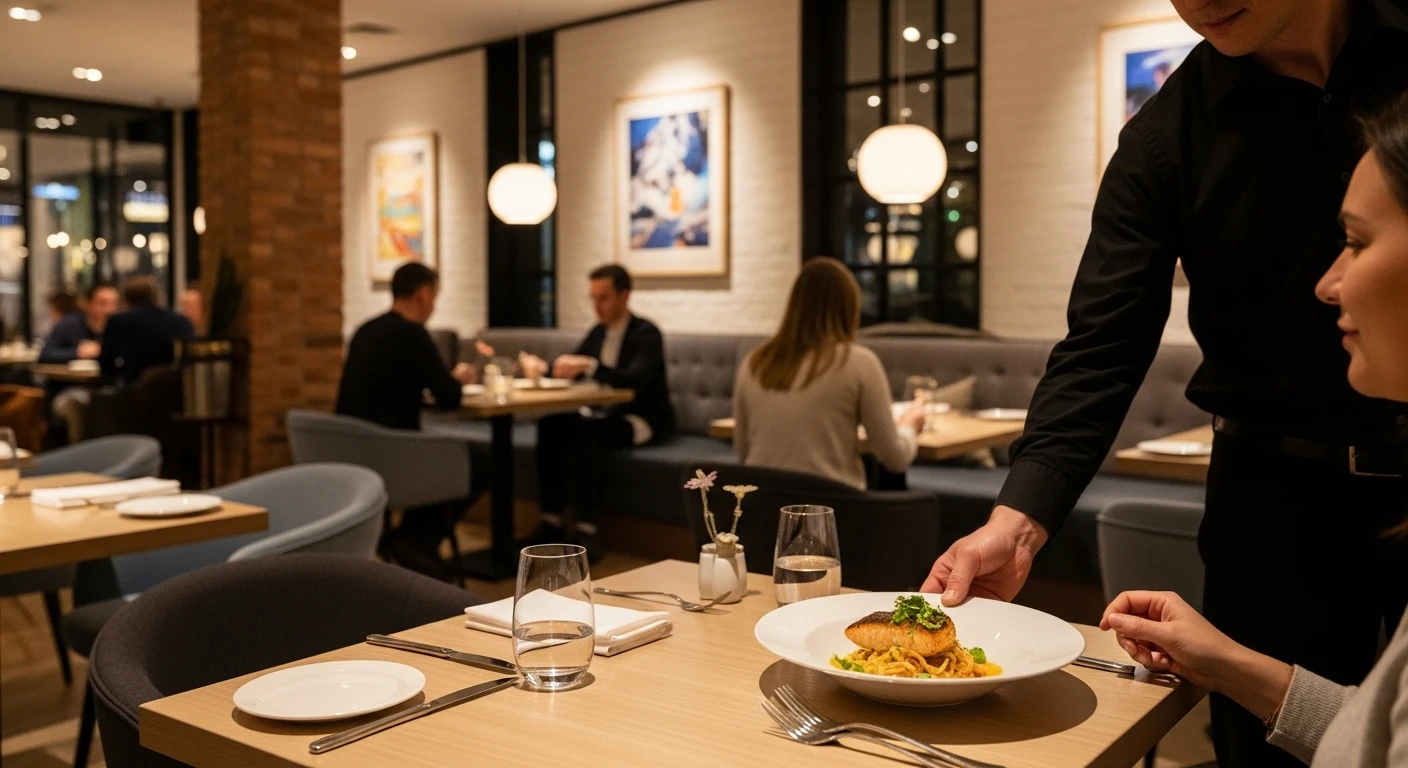
Houston's restaurant landscape is defined by intense competition and distinctive food culture. With 11,000+ restaurants spread across neighborhoods like Montrose, The Heights, Chinatown (Bellaire Blvd), Midtown, EaDo, River Oaks, Memorial, Katy Asian Town, customers have extraordinary choice — and almost zero switching cost. A loyalty program creates the switching cost that proximity and price cannot: when a regular customer has 800 points toward a free entree at your restaurant, the new place that opened down the street has to work much harder to steal them.
The data from restaurants operating loyalty programs in Houston is consistent with national trends but amplified by the city's competitive density: loyalty members visit 35% more frequently than non-members, spend 15-20% more per visit, and generate 4x more referrals. Gift card holders overspend by 20-40% beyond the card value. Birthday reward redemptions generate an average of $22-45 in total table spend on a $5-8 reward cost. The ROI is not theoretical — it is measured and repeatable.
Why Houston's Restaurant Market Demands Loyalty
Houston's Chinatown along Bellaire Boulevard is the largest in the South, with 800+ Asian restaurants and shops. The city's lack of zoning creates unique restaurant districts that emerge organically rather than by design. Hurricane season (June-November) makes offline-capable POS systems a genuine operational necessity.
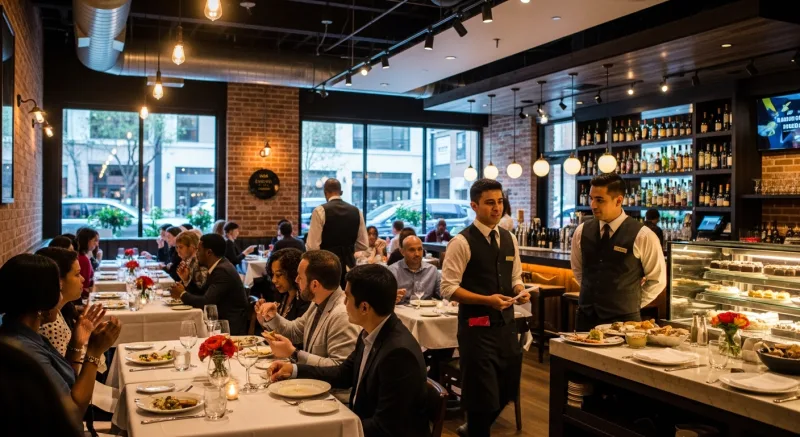
The competitive dynamics in Houston's key restaurant neighborhoods make loyalty essential:
Neighborhood density. In areas like Montrose and The Heights, restaurants are packed within walking distance of each other. A customer choosing between 15 restaurants within 3 blocks is making a decision based on habit, craving, and incentive. Loyalty provides the incentive that tips the decision in your favor.
Tourist versus local balance. Houston draws millions of visitors annually, but sustainable restaurants are built on local regulars, not tourist traffic. Loyalty programs identify and reward the locals who sustain the business 52 weeks a year — not just during peak tourist season.
Delivery market growth. Houston's delivery market grows 15-20% annually, with DoorDash and UberEats capturing the customer relationship. A loyalty program that rewards direct ordering (through KwickMenu) pulls customers away from third-party apps and saves 15-25% in delivery commissions — $14,400+/year for a restaurant doing $6,000/month in delivery.
Loyalty Program Design for Houston Restaurants
Points Configuration
Award 10 points per dollar spent on all orders — dine-in, takeout, delivery, and online. Redemption thresholds calibrated for Houston's average restaurant ticket ($35-55 for FSR, $12-18 for QSR):
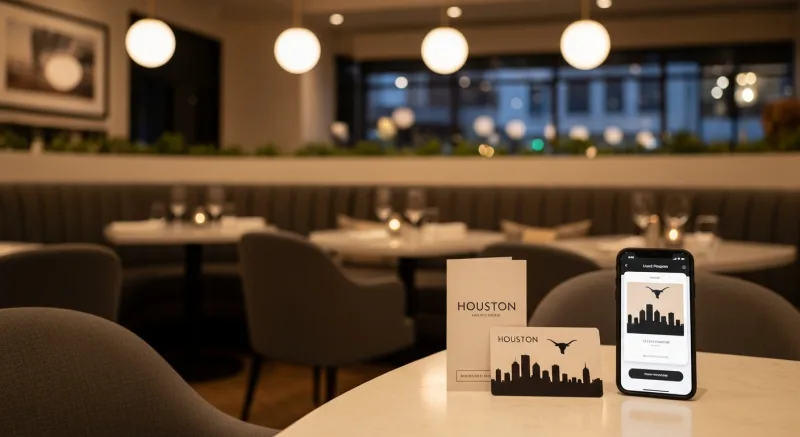
- 500 points = free appetizer or side ($8-12 value)
- 1,000 points = free entree (up to $18 value)
- 2,500 points = $25 dining credit
- 5,000 points = complimentary dinner for two ($50 value)
Tiered Membership
- Guest: 10 points/dollar, birthday reward
- Regular ($500+/year): 12 points/dollar, early access to seasonal menus, priority seating on weekends
- VIP ($1,500+/year): 15 points/dollar, complimentary birthday dinner for two, guaranteed preferred seating, quarterly tasting event invitations
Birthday and Celebration Rewards
Birthday rewards in Houston have a 38% redemption rate — higher than the national average — because the city's dense restaurant landscape makes it easy to visit. Offer a complimentary dessert or appetizer, sent 7 days before the birthday with a 14-day window. The birthday party averages 2.8 guests and $85 in total spend.
Gift Card Programs
Gift cards are particularly effective in Houston because the city's food culture makes restaurant gift cards a go-to present. Stock $25, $50, and $100 cards. Push digital e-gift cards for the tech-savvy population. Run "buy $100, get $20 bonus" promotions during November-December to capture holiday sales and drive January traffic (traditionally the slowest month).
Delivery Loyalty Multipliers
Award 1.5x points on all direct delivery orders (through KwickMenu, not DoorDash). This incentivizes customers to order direct — saving you the 15-25% commission — while rewarding their loyalty with faster point accumulation.
Houston Regulatory Considerations
Houston is the only major US city without zoning laws, which means restaurants can open virtually anywhere — increasing competition but also opportunity. Harris County health inspections are rigorous, and the Texas Alcoholic Beverage Commission oversees all liquor licensing.
These regulations affect loyalty program design: in jurisdictions with high minimum wages, the labor savings from automated loyalty (no manual tracking, no separate loyalty app to manage) become even more valuable. Every minute of staff time saved on loyalty administration is a minute redirected to customer service.
Software Comparison for Houston Restaurants
| Platform | Loyalty Cost | Gift Cards | Processor Lock |
|---|---|---|---|
| Toast | $75/month ($900/year) | Extra fee | Yes (2.99%) |
| Square | $45/month ($540/year) | Included | Yes (2.6%) |
| KwickOS | $0 (built-in) | Included | No — any processor |
For a Houston restaurant doing $40,000/month in card sales, the processing savings alone from switching to a competitive processor (enabled by KwickOS's processor-agnostic model) save $400-800/month — $4,800-9,600/year. Add the $0 loyalty cost (saving $540-900/year versus Toast/Square), and the total annual savings reach $5,340-10,500.
ROI Calculation for Houston
For a Houston restaurant with 150 covers/day and $40 average check:
- Annual revenue: $2,190,000
- Loyalty enrollment: 30% of customers
- Frequency increase: 35% for enrolled members
- Check increase: 15% for enrolled members
- Incremental annual revenue: $344,000
- Reward cost (5%): $17,200
- Net incremental revenue: $326,800
Implementation in Houston
KwickOS installation takes 1-3 hours. Staff training takes 1-2 hours. The loyalty program can be live within 48 hours. 24/7 multilingual US-based support is available at (888) 355-6996.
Week 1: Install, configure points and rewards, train staff on enrollment pitch.
Week 2: Soft launch, enroll regulars, fix any workflow issues.
Week 3: Full launch with signage, social media, and gift card program.
Week 4: Activate birthday rewards, delivery multipliers, and first bonus point event.
By day 90, target: 1,000+ enrolled members, measurable 20%+ increase in repeat visit frequency, and $0 spent on loyalty software fees.
Launch Your Houston Restaurant Loyalty Program
KwickOS includes loyalty, gift cards, online ordering, and delivery — all at $0 extra monthly cost. See how Houston restaurants are turning one-time visitors into lifetime regulars.
Book Your Free Demo