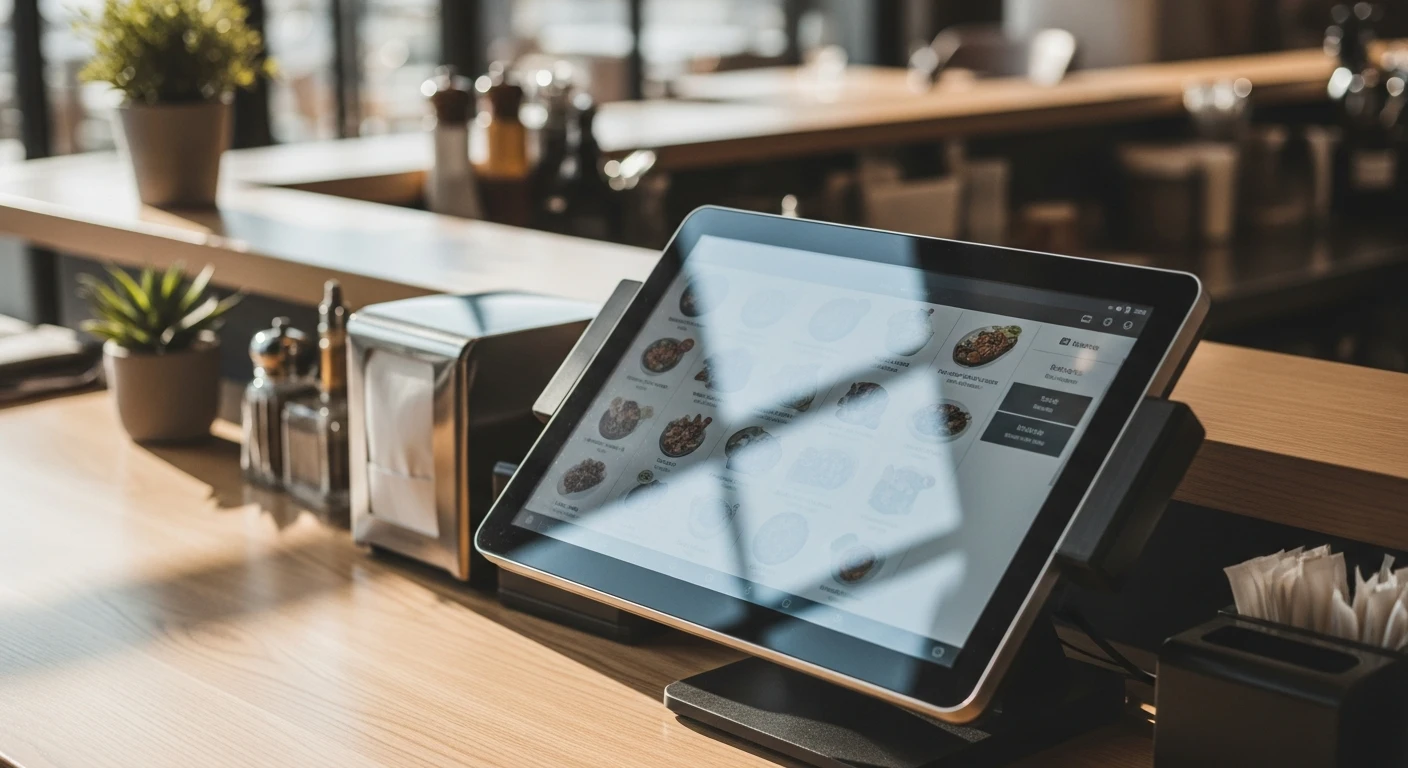
Salt Lake City's transformation over the past decade has been remarkable. The city that was once perceived as culinarily conservative — limited by Utah's unique liquor laws and a population not traditionally associated with adventurous dining — has developed one of the most exciting food scenes between Denver and the Pacific Coast. The tech boom along the Silicon Slopes corridor (Lehi to Draper) has brought thousands of young professionals from California, New York, and the Pacific Northwest, and they have brought their dining expectations with them.
The Wasatch Front — the 100-mile urban corridor from Ogden through Salt Lake City to Provo — has approximately 4,200 restaurants. Salt Lake City proper has about 1,800. And the growth rate is extraordinary: the metro has added 800+ restaurants in five years, driven by population growth that makes Utah one of the fastest-growing states in America.
Why SLC Is a Reseller Paradise
Three factors make Salt Lake City unusually attractive for POS resellers:
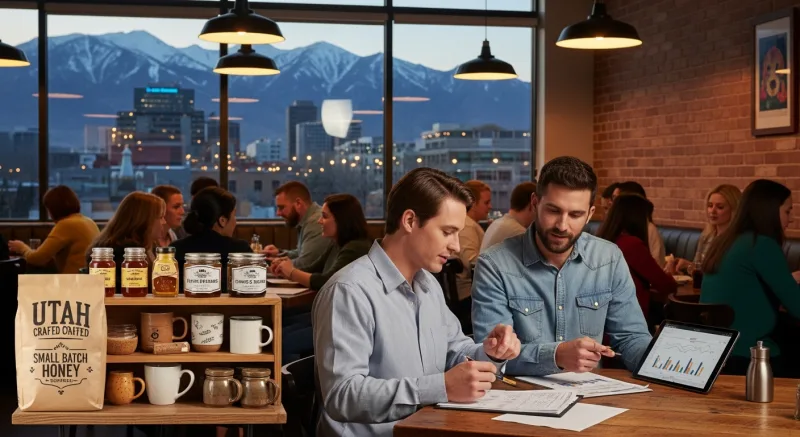
Zero POS competition. No major POS company maintains a dedicated Salt Lake sales presence. Toast's nearest rep is in Denver. SpotOn covers SLC from their Seattle office. A locally-based KwickOS reseller has the market essentially to themselves.
Tech-savvy operators. The Silicon Slopes tech economy means SLC's restaurant operators are among the most tech-literate in the country. They understand technology, they appreciate good design, and they ask intelligent questions about architecture and data. KwickOS's Linux-based, web-native platform resonates with operators who think about system design.
Ski resort expansion. Park City, Snowbird, Alta, and Brighton ski resorts are 30-45 minutes from downtown SLC. Resort restaurants process enormous seasonal card volumes ($80,000-$150,000/month during ski season) and desperately need offline-capable POS because mountain internet is notoriously unreliable. A single SLC-based reseller covering both the urban market and the ski resort corridor builds a portfolio with year-round urban residuals and seasonal resort bonuses.
SLC Neighborhoods
Downtown and 9th & 9th
Salt Lake's urban restaurant core has modernized rapidly. The 9th & 9th neighborhood, Trolley Square area, and the Gateway district have added dozens of independent restaurants with card volumes of $35,000-$55,000/month.
Sugar House
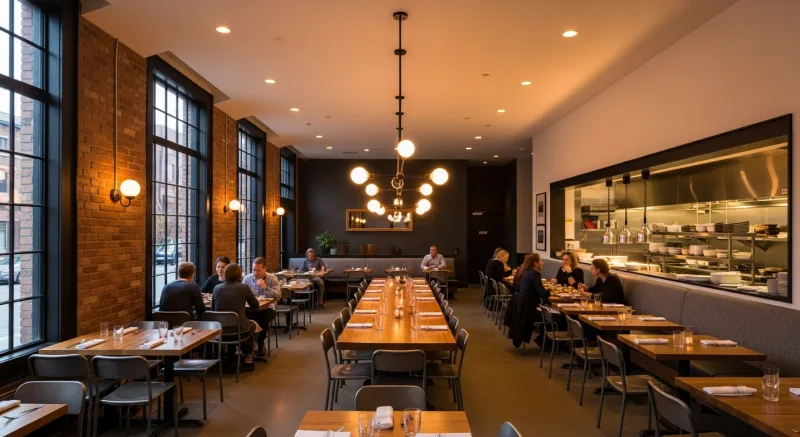
SLC's most walkable neighborhood has a dense restaurant scene serving young professionals and University of Utah students. High transaction counts, moderate ticket sizes.
The International Corridor (State Street and Redwood Road)
Salt Lake's growing refugee and immigrant communities — including significant Tongan, Samoan, Vietnamese, and Latin American populations — have built restaurant corridors along State Street and Redwood Road. These multilingual operations need POS technology that works across languages. KwickOS's trilingual support provides a starting advantage.
Revenue Projections
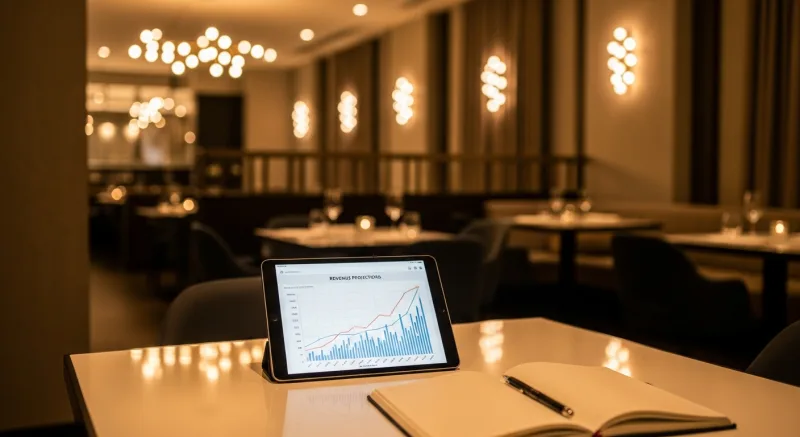
- Average monthly card volume: $37,000
- Per-merchant monthly residual: $55.50
- Year 1 (10 placements/month): ~$38,500
- Year 2 annual run-rate: $114,000+
Add ski resort placements (5-10 high-volume restaurants at $80,000+ average card volume) and the blended Year 2 income approaches $130,000+.
Three-Tier Partnership
Referral Partner: SLC's tech community and business development ecosystem provide referral channels. KwickOS handles the 7-10 day implementation.
Active Reseller: Own the Wasatch Front. The corridor is compact enough for a single reseller. KwickOS handles installation, training, 24/7 support.
Full Partner: Cover Utah and potentially extend into Boise, Idaho — another underserved Mountain West market.
Case Studies
Crafty Crab: Multi-Location
SLC restaurant groups expanding along the Wasatch Front need centralized management. Crafty Crab's 19-location deployment proves the capability.
T. Jin: Remote Monitoring
For operators managing city restaurants AND a ski resort location 45 minutes away, T. Jin's real-time remote monitoring across 15 stores is essential.
Shogun: Fast Training
Utah's young workforce (the state has the lowest median age in America) turns over quickly. Shogun's under-5-minute training proficiency minimizes the cost of staff turnover.
Launch Strategy
Month 1: Start downtown and Sugar House. Build 8-10 placements in SLC's most visible restaurant neighborhoods.

Month 2: Expand to the international corridor and begin prospecting Park City ski resort restaurants before winter season.
Month 3+: Extend south along the Wasatch Front to Sandy, Draper, and Provo. Add ski resort placements during pre-season.
Salt Lake City is the Mountain West's best-kept POS reseller secret. Zero competition, fast growth, tech-savvy operators, and ski resort revenue bonuses. The market is yours for the taking.
Explore the KwickOS Partner Program or call (888) 355-6996.
Your Secret Selling Weapon: Gift Cards, Loyalty & Points — Included Free
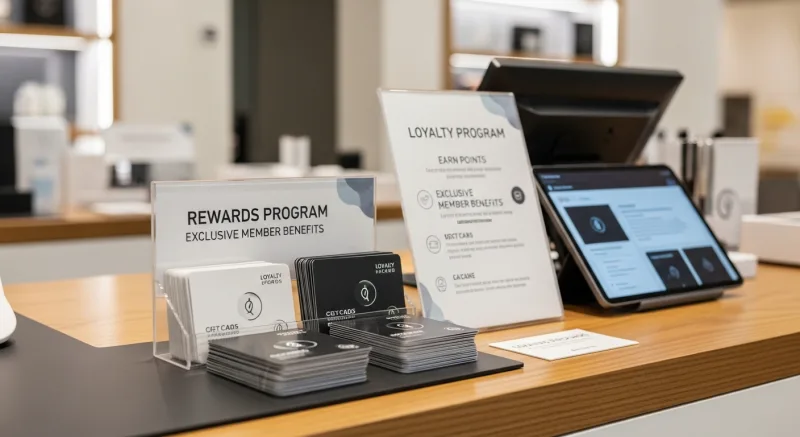
Here is what closes deals for KwickOS resellers: when a merchant asks "what about gift cards?" or "do you have a loyalty program?" — you say "It is included. No extra monthly fee." Watch their face when they realize Toast charges $75/month and Square charges $45/month for the same thing.
Why This Matters for Your Sales Pitch
Gift cards and loyalty programs are the features merchants ask about but competitors charge extra for. This is your competitive advantage in every demo:
- Gift card program — physical cards + e-gift cards, multi-location balance sync. Sell it as "your own Starbucks card" for their business
- Points system — automatic point earning on every transaction. Customers come back more often, spend more each visit
- Membership tiers — VIP programs, subscription models, exclusive pricing. Perfect upsell for restaurants, salons, and coffee shops
- CRM integration — customer purchase history, preferences, birthday tracking, SMS/email marketing all from one screen
The Math That Closes Deals
Toast loyalty add-on: $75/month = $900/year. Square loyalty: $45/month = $540/year. KwickOS: $0 extra. Over a 3-year contract, that is $1,620-2,700 your merchant saves — just on loyalty and gift cards. Add payment processing freedom savings ($6,000+/year) and you are showing $8,000+ in annual savings. That is an easy yes.