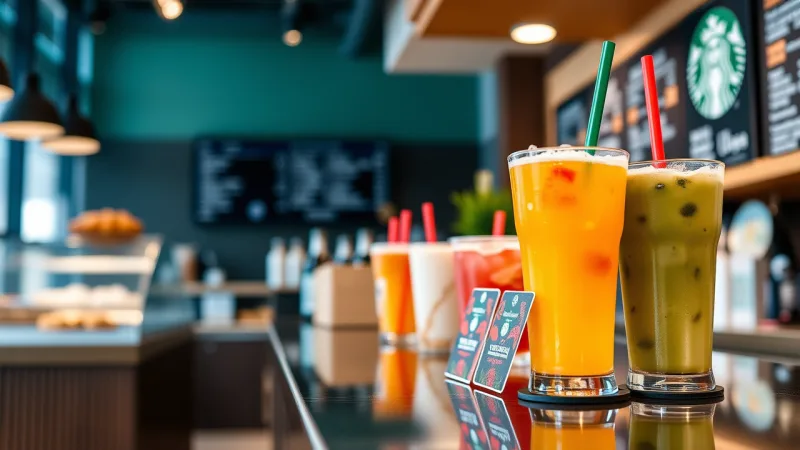
 Ming Ye
Your bubble tea shop menu hasn't changed in eight months. Same taro milk tea. Same brown sugar boba. Same matcha latte. They sell fine. They keep the lights on.
But here's what you're not seeing: across town, a competitor just launched a cherry blossom lychee tea in a gradient pink cup. It's been live for 72 hours. Customers have already posted it to Instagram 340 times, tagged the shop in 89 TikTok videos, and created a line that wraps around the block every afternoon.
That drink costs $0.97 to make. They sell it for $8.50. And it's bringing in 40 new first-time customers every single day — customers who also buy a classic milk tea, a snack, or a gift card while they're there.
Here's the thing: that competitor didn't get lucky. They engineered virality. They chose the flavor based on trending search data, designed the cup for maximum photo impact, timed the launch to hit two weeks before cherry blossom season peaks, and set a 6-week expiration date that makes every customer feel like they need to try it now.
You're leaving this revenue on the table. And that's not all — you're losing customers who crave novelty and can't find it in your shop.
This guide shows you exactly how to create seasonal bubble tea drinks that market themselves, when to launch them, how to price them for maximum profit, and how to use your POS data to decide which ones deserve a permanent spot on your menu.
Why Seasonal Drinks Are Your Highest-ROI Marketing Channel
Most bubble tea shop owners think of marketing as something you spend money on. Instagram ads. Google listings. Flyers. All those cost cash, take time to manage, and deliver uncertain returns.
Seasonal drinks flip that equation. You're not spending money on marketing — you're making money while your customers do the marketing for you.
According to restaurant industry data, limited-time menu items drive foot traffic increases between 20% and 30% during their availability window. But in the bubble tea world — where drinks are inherently photogenic and the customer base skews young and social-media active — the numbers are even more dramatic.
Here's why seasonal drinks outperform every other marketing channel for bubble tea shops:
- Zero advertising cost. Customers photograph and share visually striking drinks voluntarily. Each post reaches their followers organically — no ad spend required.
- Higher margins. Customers willingly pay $1.00 to $2.00 more for a limited-edition drink. A seasonal item priced at $8.50 versus your standard $6.50 means an extra $2.00 of pure profit per cup on an ingredient cost difference of maybe $0.12.
- New customer acquisition. People who see a friend's post about your seasonal drink visit specifically to try it. Industry data suggests seasonal launches can bring in 30 to 50 new first-time customers per week.
- Existing customer reactivation. Regulars who haven't visited in weeks come back to try the new flavor before it disappears. This is loss aversion in action — the fear of missing out is stronger than the desire to save money.
- Gift card sales spike. Seasonal launches create perfect gift card moments. Customers who love a limited drink buy e-gift cards for friends so they can try it too. During peak seasonal launches, gift card sales can jump 40% compared to non-launch weeks.
But it gets worse if you're not doing this. Every week without a seasonal program, you're paying for the same rent, the same labor, and the same ingredients — but you're getting less traffic than the shop around the corner that launched a lavender ube latte last Tuesday.
The Seasonal Flavor Calendar: What to Launch and When
Timing is everything. Launch a pumpkin spice boba in July and nobody cares. Launch it on September 1st and you ride the cultural wave that Starbucks has spent billions conditioning consumers to anticipate.
Here's the seasonal calendar that the most successful bubble tea shops follow:
Spring (March - May): Floral and Light
Spring is your most viral season. The combination of pastel colors, floral flavors, and warmer weather creates the perfect storm for social media engagement.
- Cherry blossom milk tea — Pink gradient, edible flower garnish. Launch first week of March. This is the single most Instagrammed seasonal drink across the bubble tea industry.
- Strawberry matcha latte — The pink-and-green color contrast photographs beautifully. Use real strawberry puree for authentic color.
- Lavender taro — Double purple with a dried lavender garnish. Unexpected flavor combination that generates curiosity posts.
- Yuzu citrus green tea — Bright yellow, refreshing, and differentiated from every competitor's spring menu.
Summer (June - August): Tropical and Frozen
Summer drinks need to look refreshing in photos. Ice, fruit, and bright colors dominate.
- Mango coconut slush — Layer the mango and coconut for a sunset gradient effect. Add boba pearls that are visible through a clear cup.
- Watermelon mint cooler — Use a watermelon-shaped cup or at minimum a watermelon-pattern straw. The novelty factor drives shares.
- Passion fruit boba with popping pearls — The popping pearls add a textural surprise that customers love filming in close-up videos.
- Lychee rose with edible glitter — The glitter catches light in photos and videos. This one item can generate hundreds of TikTok shares per week.
Fall (September - November): Warm and Indulgent
Fall is when your average ticket spikes. Customers associate fall flavors with indulgence and are willing to spend more per drink.
- Pumpkin spice brown sugar boba — Yes, it's obvious. But it works every single year because the cultural conditioning is too strong to ignore. Launch September 1st, not October.
- Ube sweet potato latte — Deep purple that photographs dramatically. Add a torched marshmallow top for video content gold.
- Brown sugar maple milk tea — Swirl the brown sugar syrup visibly down the inside of the cup. Customers will photograph the pattern.
- Apple cinnamon chai boba — Warm spices, familiar comfort. Offer it hot and iced to capture both audiences.
Winter (December - February): Festive and Warm
Winter seasonals should feel like a gift. These are your highest gift card tie-in opportunities — a holiday bubble tea paired with an e-gift card makes the perfect present.
- Peppermint chocolate boba — Crushed candy cane rim with chocolate drizzle. Launch the day after Thanksgiving. Offer a "gift set" bundle: two drinks + a $10 gift card for $22.
- Gingerbread milk tea — Gingerbread syrup with a mini gingerbread cookie garnish. The cookie costs $0.15 and creates a photograph that drives traffic for weeks.
- Hot taro with mochi — Warm drinks with a chewy mochi topping. This fills the gap for customers who want something cozy.
- Matcha chestnut latte — Earthy and sophisticated. Targets the older demographic that doesn't respond to candy-colored drinks.
And that's not all. Each of these seasonal launches is also an opportunity to promote your loyalty program. Offer double points on seasonal drink purchases during launch week. This does two things: it incentivizes immediate trial, and it enrolls new customers into your loyalty program who might never have signed up otherwise.
Designing Drinks for the Camera: The 5-Second Photo Test
Here's the truth most bubble tea shop owners miss: a drink that tastes amazing but looks ordinary will never go viral. A drink that looks stunning and tastes good will generate thousands of posts.
This doesn't mean sacrifice flavor for aesthetics. It means design both simultaneously. Every seasonal drink must pass the "5-second photo test": if a customer looks at the finished drink and doesn't reach for their phone within 5 seconds, the visual design failed.
The Visual Elements That Drive Shares
- Color contrast. Two or more distinct colors in the same cup — layered, swirled, or gradient. A single-color drink gets 70% fewer social posts than a multi-color drink.
- Visible texture. Boba pearls, jelly cubes, popping pearls, or fruit chunks that are visible through the cup. Customers love photographing the "inside" of the drink.
- A finishing touch. Edible flowers, torched marshmallow, crushed cookie rim, cotton candy topper, or a mini macaron skewer. This is the element that makes customers stop and take a photo before they take a sip.
- The cup itself. Invest in clear cups for layered drinks. Consider seasonal cup sleeves with unique artwork. Some shops use cups shaped like light bulbs or mason jars for seasonal items — the novelty drives shares.
- The background. Create a single "photo wall" or "photo corner" in your shop. It costs $50 in materials and generates thousands of tagged posts over its lifetime. Change the backdrop seasonally to match your current limited edition.
Tiger Sugar built their entire brand on visual design — the brown sugar stripes cascading down the inside of the cup became an iconic image that drove their global expansion to 2 stores with 2 self-ordering kiosks that handle peak-hour customization seamlessly. Your seasonal drinks need that same visual intentionality.
The Launch Sequence: 14 Days to Maximum Buzz
Don't just put a new drink on the menu and hope people notice. A proper seasonal launch follows a structured timeline that builds anticipation, creates urgency, and maximizes first-week sales.
Day 1-7: The Tease Phase
- Day 1: Post a close-up photo of a single ingredient — a fresh strawberry, a pile of cherry blossom petals, a scoop of ube powder. Caption: "Something new is coming..." No other details. Let curiosity build.
- Day 3: Post a behind-the-scenes video of drink development. Show the team tasting, debating, adjusting. People love process content.
- Day 5: Reveal the color of the drink — but not the name or flavor. A blurred photo or just a cup silhouette works. This generates guessing in the comments.
- Day 7: Full reveal. Post a high-quality photo of the finished drink with the name, description, price, and launch date. Include "Available for 6 weeks only" prominently.
Day 8-10: The Exclusivity Phase
- Send an email or push notification to loyalty members: "Try it 48 hours before everyone else." Loyalty members get early access on Day 8-9. This rewards your best customers and generates the first wave of social posts before the public launch.
- Offer a "Founder's Discount": Loyalty members who try it during early access get 20% off. This creates a frenzy of posts from excited early adopters.
Day 10-14: The Public Launch
- Day 10: Public launch. Staff should offer a small tasting sample to every customer who orders a regular drink. "Want to try our new cherry blossom tea? It's only available until April 15th."
- Day 11-12: Post user-generated content from early adopters. Repost the best customer photos. Tag them. This social proof drives the second wave of customers.
- Day 14: Post a "1 week update" showing how many have been sold. "347 cherry blossom lattes in 4 days — only 5 more weeks before it's gone." Scarcity + social proof is the most powerful combination in marketing psychology.
Here's the thing: this entire launch sequence can be managed through your POS system. KwickOS tracks how many seasonal items sell per hour, per day, per location. If you're running multiple stores — like Tiger Sugar's 2 locations with kiosk ordering — you can monitor which location sells more seasonal items and adjust inventory accordingly, all from one dashboard using KwickOS's hybrid local+cloud architecture that processes every order in 1ms locally while syncing data to the cloud in real time.
Pricing Seasonal Drinks for Maximum Profit
Here's a mistake almost every shop makes: pricing seasonal drinks the same as regular menu items. This is leaving money on the table — literally.
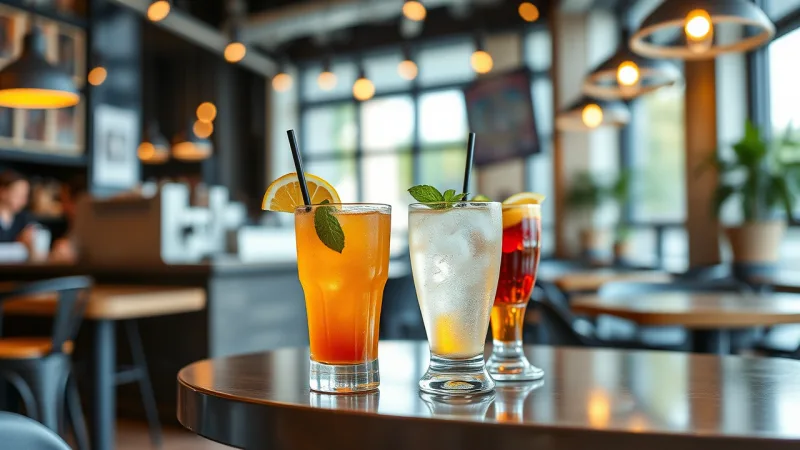
Customers expect limited-edition items to cost more. The exclusivity justifies the premium. And the higher price actually increases perceived value, which increases the likelihood of social sharing. Nobody photographs a $5 drink. A $9 drink with edible flowers and a gradient color? That gets 15 seconds of video.
The Pricing Formula
| Component | Regular Drink | Seasonal Drink |
|---|---|---|
| Base ingredients | $0.65 | $0.72 |
| Specialty ingredients | $0.00 | $0.18 |
| Garnish/presentation | $0.03 | $0.15 |
| Cup/packaging upgrade | $0.15 | $0.22 |
| Total ingredient cost | $0.83 | $1.27 |
| Selling price | $6.50 | $8.50 |
| Gross margin | 87.2% | 85.1% |
| Gross profit per cup | $5.67 | $7.23 |
You're paying $0.44 more in ingredients and earning $1.56 more in profit per cup. On 40 seasonal drinks per day, that's an extra $62.40 per day — $1,872 per month of incremental profit from a single seasonal item.
But it gets worse for shops that don't do this. While you're selling the same $6.50 drinks, your competitor is selling $8.50 seasonal drinks to customers who would have come to your shop instead — if you'd given them a reason to.
Using POS Data to Decide What Stays and What Goes
Not every seasonal drink deserves to come back. And some seasonal drinks are so popular they should become permanent. Your POS data tells you which is which — if you're tracking the right metrics.
The Metrics That Matter
- Sales velocity (units/day). How many sell per day in week 1 vs. week 6? If velocity stays above 25 units/day through week 6, it's a candidate for permanent status.
- Cannibalization rate. Did the seasonal drink steal sales from your regulars, or did it bring in additional revenue? Check your total daily revenue — if it increased during the seasonal period, the drink created new demand.
- New customer percentage. How many buyers of the seasonal drink were first-time customers? If more than 30% are new faces, the drink is a strong acquisition tool.
- Attachment rate. What percentage of seasonal drink buyers also purchased a second item — a regular drink, a snack, or a gift card? High attachment rates mean the seasonal item brings people in the door, and your regular menu keeps them spending.
- Loyalty enrollment. How many new loyalty members signed up during the seasonal launch? If your "double points on seasonal drinks" promotion drove 60 new sign-ups, that's 60 customers who will return for months beyond the seasonal window.
KwickOS gives you all of this data in real time through the CRM dashboard. You can see exactly how each seasonal item performs hour by hour, compare performance across locations, and make data-driven decisions about which drinks to bring back and which to retire.
Crafty Crab Seafood runs 19 locations with 152 terminals and uses KwickOS's one-click menu sync to push seasonal items across all stores simultaneously. The same principle applies to bubble tea chains: when you find a seasonal winner, you need to roll it out to every location immediately — and KwickOS makes that a 30-second operation from any device.
Gift Cards and Seasonal Launches: The Revenue Multiplier
Here's an open loop most shop owners never close: seasonal drinks create the perfect gift card sales moment, but most shops don't connect the two.
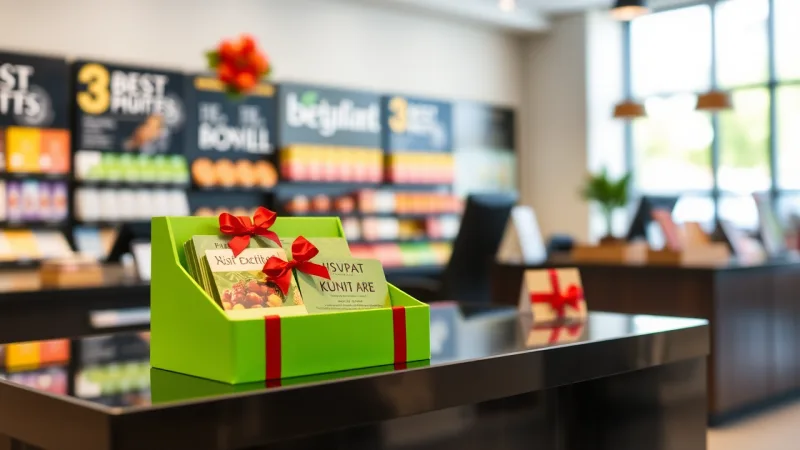
When a customer falls in love with your cherry blossom latte, they immediately think of three friends who would love it too. But those friends might not live nearby or might not visit this week. This is where e-gift cards close the gap.
Create a seasonal gift card bundle: "Share the Blossom — Send a $10 e-gift card and your friend gets a free upgrade to large on their first seasonal drink." This costs you about $0.80 in additional ingredients for the size upgrade and generates $10 in guaranteed future revenue.
During holiday seasonal launches (peppermint chocolate boba, gingerbread milk tea), gift card sales are even more natural. Industry data shows that gift card sales can spike significantly during seasonal launches that coincide with gift-giving holidays. The drink creates the emotional connection; the gift card converts that emotion into revenue.
Your POS system should make gift card purchasing frictionless at checkout. When a customer buys a seasonal drink, your staff or your self-ordering kiosk should prompt: "Add a $10 gift card for a friend?" KwickOS supports physical and e-gift cards with instant delivery via email or text — so the friend gets the gift card while the customer is still sipping their seasonal drink and posting it to Instagram.
Building a Loyalty Loop Around Seasonal Launches
Your seasonal menu and your loyalty program should work as a single system, not two separate initiatives.
Here's the loop that the most profitable bubble tea shops run:
- Seasonal launch → Double points promotion. Every seasonal drink purchase earns double loyalty points during launch week. This drives trial and increases loyalty enrollment.
- Loyalty data → Launch timing. Use your loyalty program data to identify when your regulars visit most frequently. If most loyalty members visit Tuesday through Thursday, launch seasonal drinks on Tuesday — not Monday or Friday.
- Member-exclusive early access. Loyalty members try the seasonal drink 48 hours before the public launch. This makes membership feel valuable and generates the first wave of social posts from your most engaged customers.
- Points → Seasonal upsell. When a loyalty member has enough points for a free regular drink, prompt them to "upgrade to the seasonal special for just 200 extra points." This introduces regulars to seasonal items they might not have tried otherwise.
- Seasonal feedback → Next launch. Send a one-question survey to loyalty members after each seasonal drink expires: "Should we bring this one back?" The data directly informs your next seasonal calendar.
KwickOS's built-in loyalty system handles all of this automatically — double points, member tiers, automated push notifications, and purchase tracking — so you're building a self-reinforcing cycle where every seasonal launch makes your loyalty program stronger and every loyalty interaction drives seasonal sales.
Common Mistakes That Kill Seasonal Programs
Before you rush to launch your first seasonal drink, here are the mistakes that derail most attempts:
- Launching too many at once. One seasonal drink creates focus. Four seasonal drinks create confusion. Launch one signature seasonal item and let it dominate for 4-6 weeks before introducing the next.
- No end date. If you don't tell customers when the drink disappears, there's no urgency to try it now. Print the end date on the menu board, in social posts, and at checkout. "Only available until May 15th" is the most powerful sales message you can write.
- Ingredient supply failures. Running out of your seasonal ingredient in week 2 of a 6-week launch is a disaster. Use your POS inventory tracking to forecast demand based on early sales velocity and order ingredients accordingly. KwickOS tracks ingredient depletion in real time and can alert you when stock drops below your reorder threshold.
- No staff training. If your baristas can't make the seasonal drink consistently and quickly, the launch fails. Prep time for a seasonal drink should be under 30 seconds longer than a regular drink. Train your team the day before launch.
- Ignoring the data. Every seasonal launch generates data. If you're not reviewing it, you're guessing. Use your POS reports to understand what worked, what didn't, and why — then improve the next launch.
Shogun Japanese Hibachi proved this principle with their own customized displays — their staff achieved proficiency in under 5 minutes with KwickOS. The same training speed applies to seasonal drink prep. If your POS makes it easy for staff to punch in seasonal modifiers with multilingual support (English, Chinese, and Spanish), your team focuses on making drinks instead of fumbling with the register.
The Revenue Math: What a Year of Seasonal Launches Looks Like
Let's run the full-year numbers for a single-location bubble tea shop running 8 seasonal launches per year (roughly one every 6 weeks):
| Metric | Per Launch | Annual (8 Launches) |
|---|---|---|
| Avg. seasonal drinks/day | 35 | — |
| Incremental profit/cup | $1.56 | — |
| Launch duration | 42 days | 336 days |
| Seasonal drink revenue | $12,495 | $99,960 |
| Incremental profit | $2,293 | $18,346 |
| New customers acquired | ~180 | ~1,440 |
| Gift card sales uplift | $800 | $6,400 |
| New loyalty members | ~50 | ~400 |
$18,346 in incremental profit, 1,440 new customers, $6,400 in gift card sales, and 400 new loyalty members — from drinks that cost $0.44 more than your regular menu.
And this doesn't account for the lifetime value of those 1,440 new customers and 400 loyalty members who will keep coming back long after the seasonal drink disappears.
Want to model the exact revenue impact for your shop? Use our menu profit calculator to plug in your numbers and see what seasonal launches could add to your bottom line.
Launch Seasonal Drinks Across All Locations in Seconds
KwickOS lets you add seasonal items, track real-time sales velocity, manage ingredient inventory, and run loyalty promotions — all from one platform that works even when the internet drops.
Get a Free Demo